Is Pure Maple Syrup Better Than Sugar?
Contents
Is pure maple syrup better than sugar? Only slightly. It has a few more minerals and antioxidants and a somewhat lower glycemic index, but your body still handles it as added sugar.
Below, we go through the differences between the two.
What is Sugar?

Sugar is the generic name for sweet-tasting, soluble carbohydrates, many of which are used in food. Simple sugars, also called monosaccharides, include glucose, fructose, and galactose. Compound sugars, also called disaccharides or double sugars, are molecules made of two monosaccharides joined by a glycosidic bond.
What is Maple Syrup?
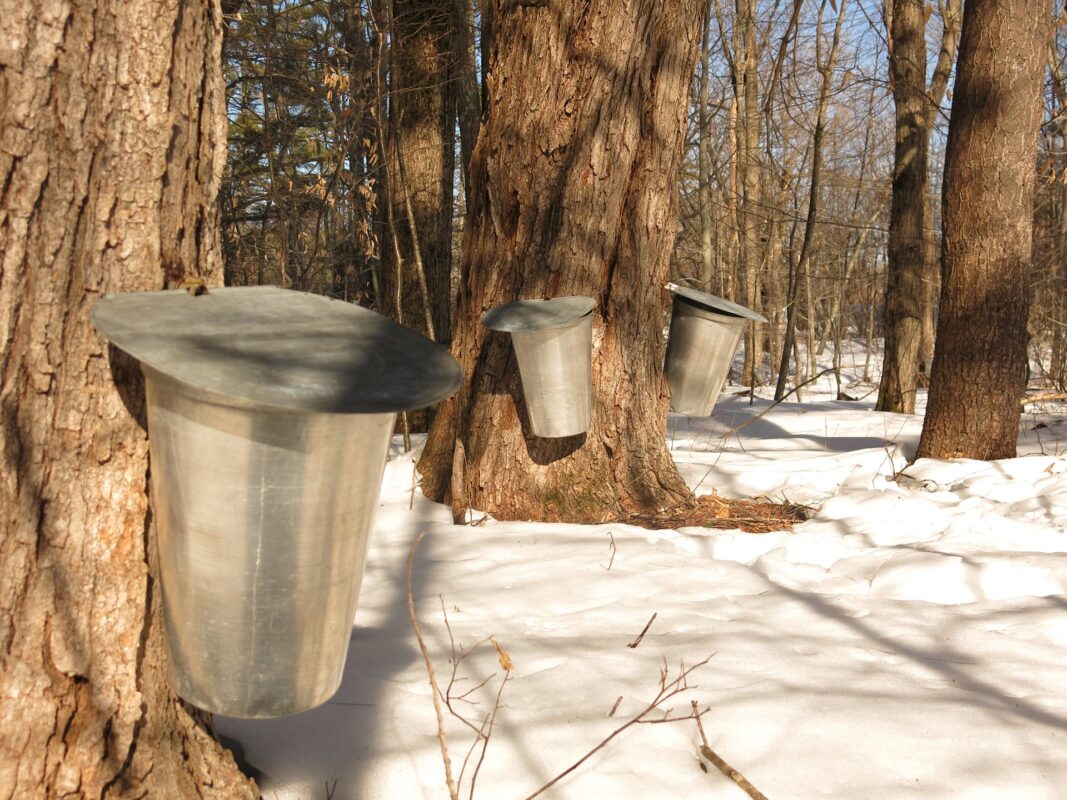
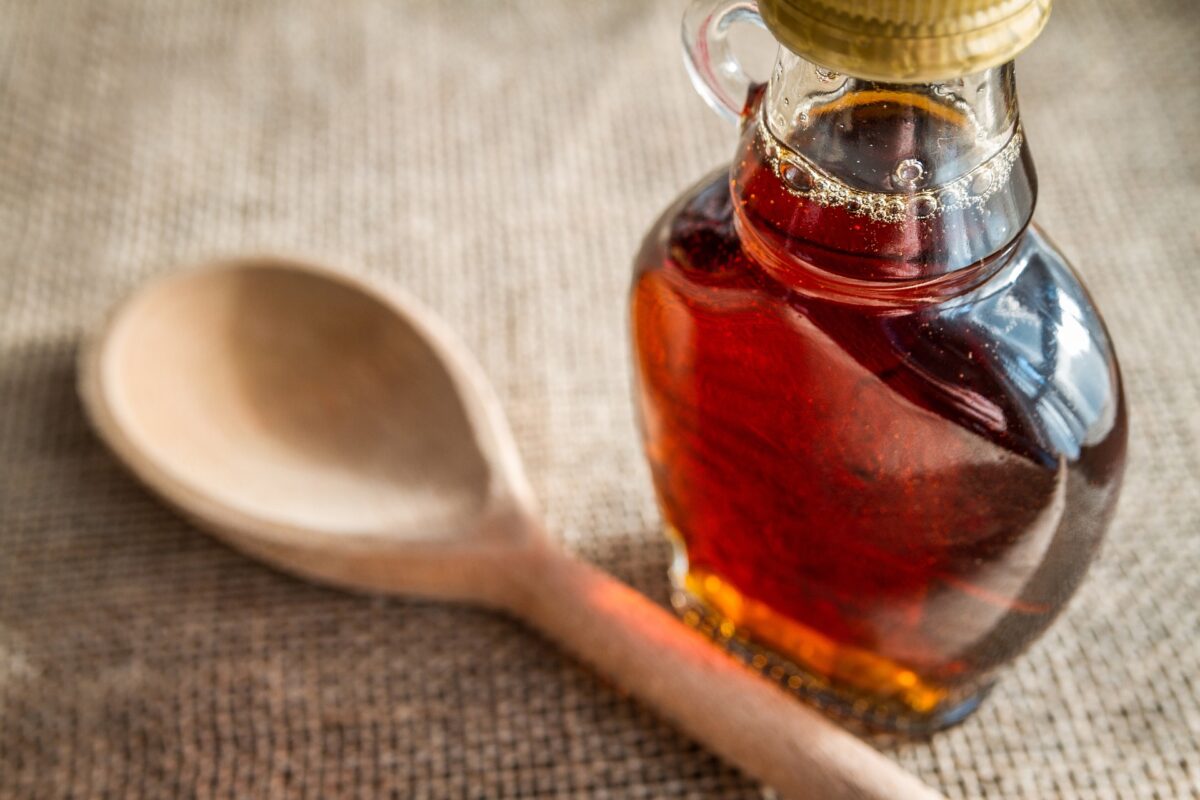
Maple syrup is a syrup usually made from the xylem sap of sugar maple, red maple, or black maple trees, although it can also be made from other maple species.
What does Sugar do to your Body?

Despite the negative connotation, your body actually needs glucose to function, and it gets plenty from carbohydrates in whole foods. The problem is too much added sugar.
Harvard Health notes that eating too much added sugar can raise blood pressure and increase chronic inflammation, which are pathways to heart disease. Excess sugar also adds calories that can lead to weight gain.
What is Healthier? Sugar or Maple Syurp?
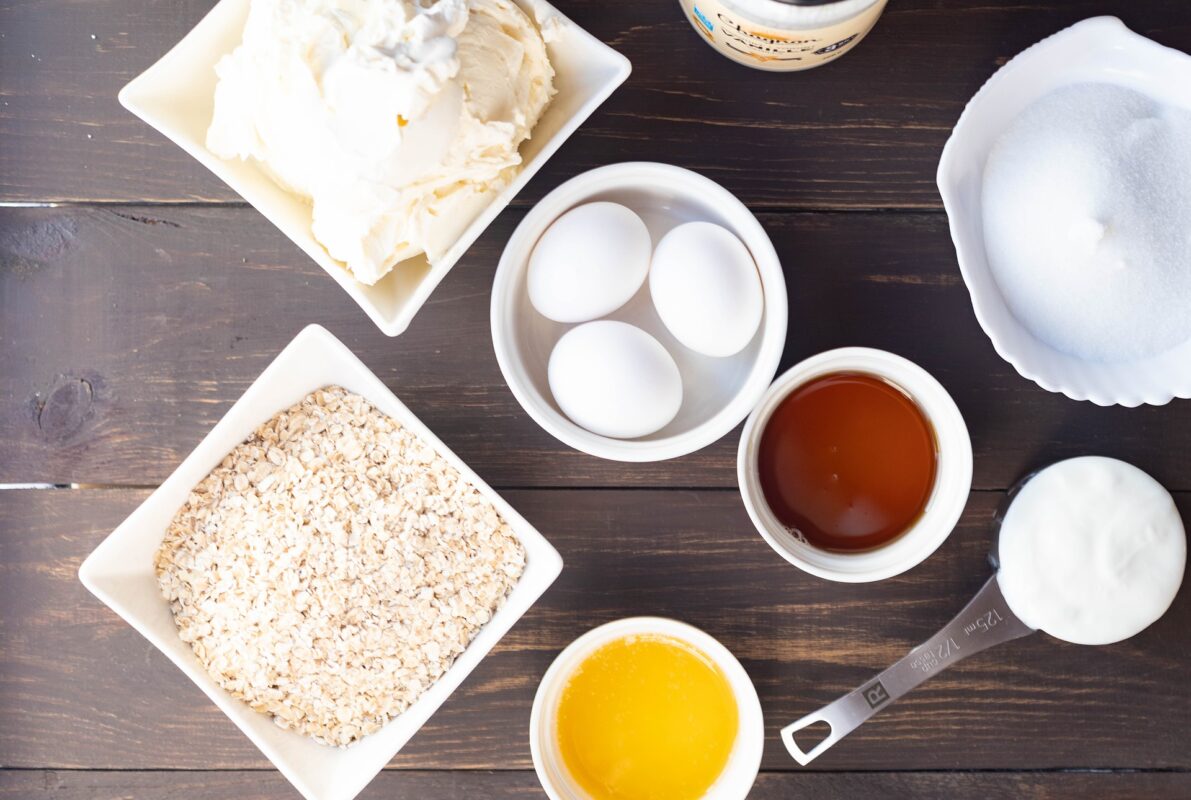
According to Cleveland Clinic, maple syrup is comparable to sugar in calories and carbs but has a lower glycemic index. A Cleveland Clinic dietitian notes it tends to taste sweeter, so in theory you can use less of it.
But moderation is key, as it is with any sugar. Maple syrup has no fiber, so pairing it with fiber-rich foods like whole grains helps soften blood sugar swings.
Sugar vs. Maple Syrup Nutrition Facts
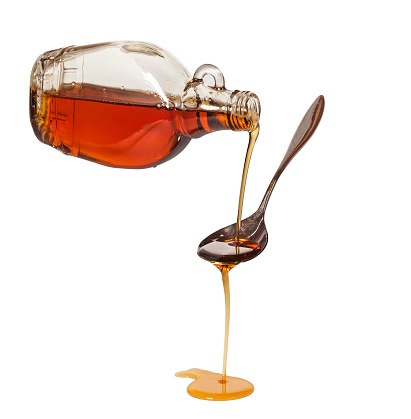
Based on USDA FoodData Central values, a tablespoon of granulated sugar (about 12.5 grams) has about 48 calories and 12.5 grams of carbohydrates, all of it sugar.
A tablespoon of maple syrup (about 20 grams) has about 52 calories, 13.4 grams of carbohydrates, and 12.1 grams of sugar.
Calorie for calorie, they are nearly the same. Maple syrup's lower glycemic index means it raises blood sugar a bit more slowly. Table sugar, on the other hand, provides calories and essentially nothing else.
As empty as sugar is for your body, maple syrup contains some small added value. Because it comes from tree sap, it contains some minerals and antioxidant plant compounds called phenols.
One tablespoon of maple syrup has about 0.6 mg of manganese, roughly 25 percent of the daily value. Manganese helps form bones and connective tissue. Maple syrup also has about 20 mg of calcium and 42 mg of potassium, each only around 1 percent of the daily value, plus trace amounts of zinc, copper and iron.
Is Maple Syrup the Better Choice?

Added sugars, whether found in nature or refined, are still sugars. Your body treats them as such. Maple syrup is mostly sucrose, the same sugar as table sugar, which your gut breaks down into glucose and fructose. And while maple syrup has a lower glycemic index than table sugar, it still raises your blood sugar, just a bit more slowly.
The bottom line is natural doesn’t always mean it’s good for you. Yes, pure maple syrup is less processed than other added sugars. Yes, it has more antioxidants and minerals than table sugar. So, should you add maple syrup to your diet because of this? No, but if you’re going to use a sweetener in a recipe, pure maple syrup is a reasonable swap.
Just make sure it is pure maple syrup. Many "pancake syrups" are mostly other sugars with maple flavoring.
Conclusion
The reality is maple syrup is still high in sugar. It would be very unhealthy to eat several tablespoons of maple syrup per day to add calcium or potassium to your diet. The more appropriate way is to add whole foods to your diet, not more sugar. And take everything in moderation.
Sources
- Maple Syrup vs. Sugar: What's Healthier?, Cleveland Clinic
- The sweet danger of sugar, Harvard Health Publishing
- FoodData Central: Syrups, maple and Sugars, granulated, USDA