Is it Bad to Drink 2 or More Bang Drinks a Day?
Contents
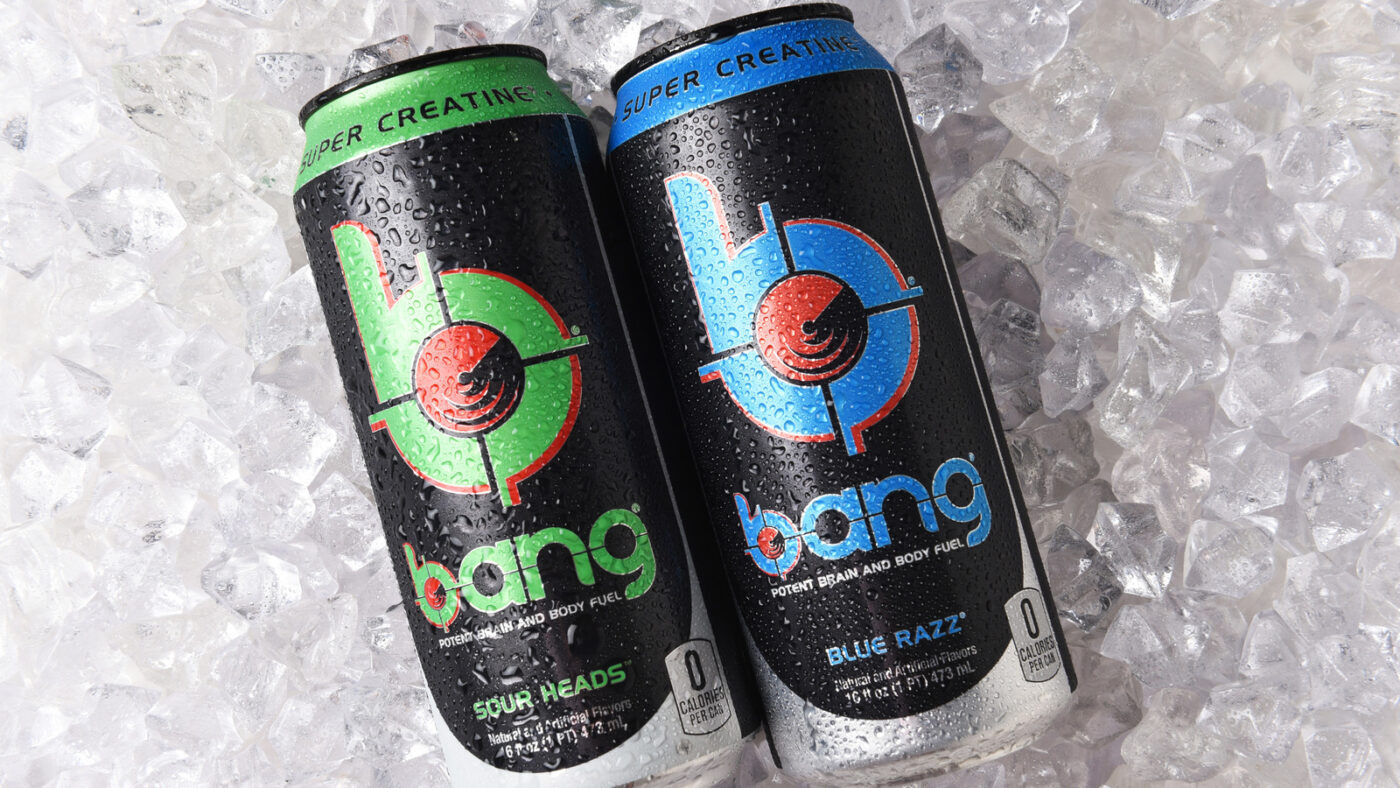
Bang is an American brand of energy drinks. It was created by Vital Pharmaceuticals (VPX), a company based in Florida. At its peak, Bang ranked as the #3 best-selling energy drink in the US, behind Monster and Red Bull.
Is it Bad to Drink 2 or More Bang Drinks a Day?
Yes, for most people. Two cans of Bang Energy contain 600mg of caffeine, well above the 400mg a day the FDA cites as generally safe for healthy adults. That much caffeine can lead to side effects like a racing heart, anxiety, and poor sleep.
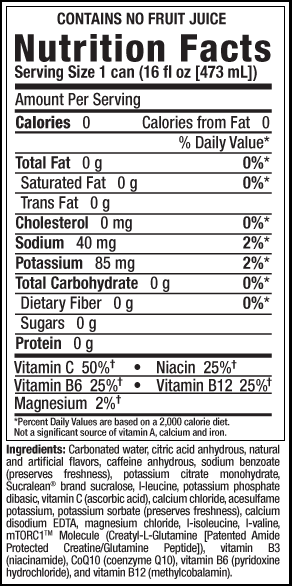
BANG energy drinks come in a variety of flavors, but each drink’s nutrition facts are nearly identical. One 16-ounce can of Bang Energy contains:
- 300mg of caffeine
- 0 calories
- 0 grams of fat
- 0 grams of carbohydrate
- 0 grams of sugar
- 0 grams of protein
- Sodium and potassium
- Vitamin C
- B vitamins, including niacin, B6, and B12
How much is too much caffeine?

A 2017 review in Food and Chemical Toxicology looked at hundreds of studies to determine what qualifies as “safe” caffeine consumption levels. It found that these daily amounts are not associated with “overt, adverse cardiovascular effects, behavioral effects, reproductive and developmental effects, acute effects, or bone status”:
- 400mg for healthy adults
- 300mg for pregnant women
- 2.5mg per kg of body weight for children and adolescents
The FDA uses the same 400mg figure. Its consumer guide on how much caffeine is too much calls it an amount "not generally associated with negative effects" in healthy adults.
Everyone handles caffeine differently, depending on body size, genetics, medications, and how much caffeine you normally have. Drinking a whole can of Bang in a few minutes (300mg of caffeine) can be too much if you are not used to caffeine.
A warning on BANG cans details that “too much caffeine may cause nervousness, irritability, sleeplessness, and, occasionally, rapid heartbeat.”
Are Bangs Bad for You?
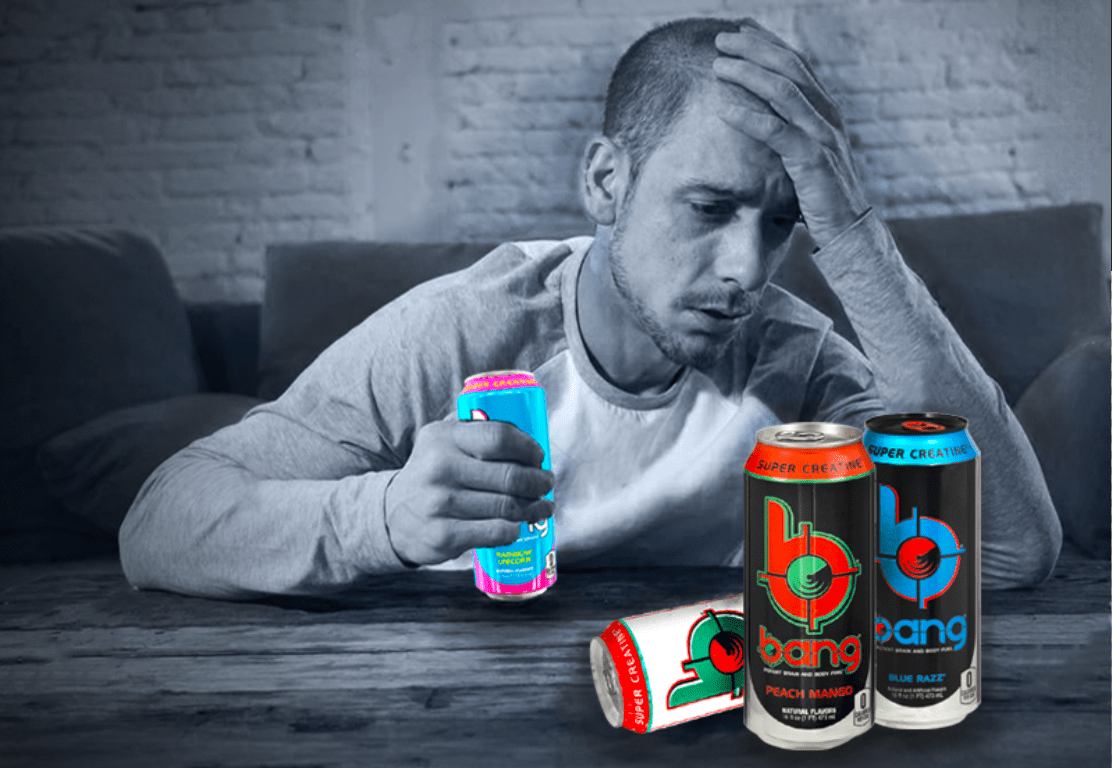
As previously mentioned, 400mg of caffeine per day is the general limit for healthy adults. One Bang uses up 300mg of that, so any coffee, tea, or pre-workout on top of it can push you over.
Bang is not a good choice for kids and teens. The FDA notes that medical experts advise against energy drinks for children and teens. People who are pregnant, breastfeeding, or sensitive to caffeine should also talk with their doctor first.
Of course, “everything in moderation” is the key, especially when it comes to caffeine. An occasional Bang is not likely to cause major health problems for a healthy adult.
Building up a tolerance does not make 2 or more cans a day a safe habit. Tolerance can dull some effects, like the jittery feeling, but it doesn’t remove the risks of very high caffeine intake.
If you start to rely on Bang Energy drinks to wake up or stay awake during the day, your sleep will likely suffer. Drinking Bang within several hours of bedtime is especially likely to cause poor sleep.
How Many Bangs Can I Drink a Day?
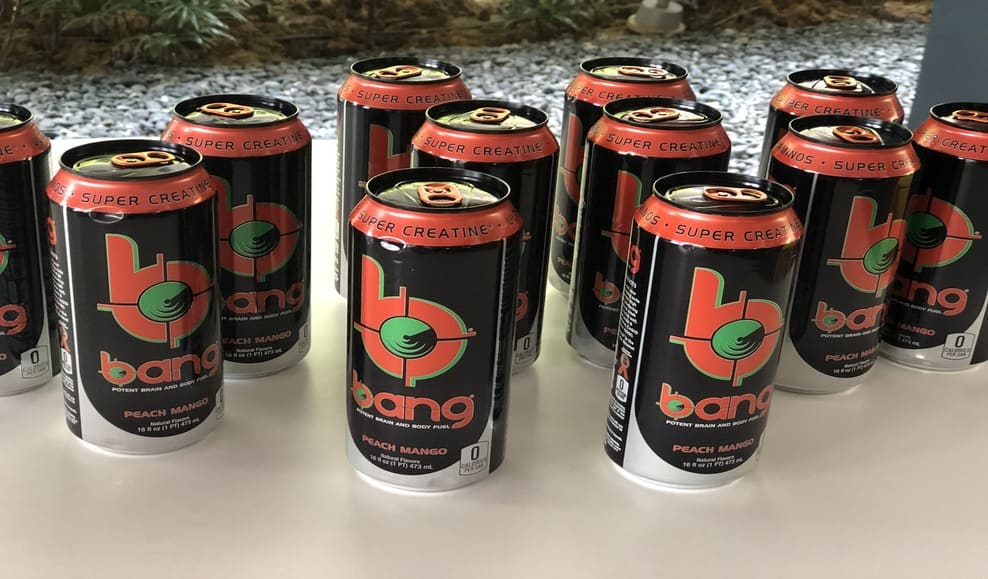
Since Bang has 300mg of caffeine per can and the general limit for healthy adults is 400mg a day, the most you should have is one can a day. If you are sensitive to caffeine, less is better.
Drinking more than one can of Bang Energy in a day can lead to side effects, which include:
- Fast heart rate or heart palpitations
- Higher blood pressure
- Anxiety and jitters
- Upset stomach or nausea
- Headache
- Insomnia
If you feel chest pain, a racing heartbeat, or trouble breathing after an energy drink, get medical help right away.
Conclusion
The effects of drinking too much Bang vary from person to person, but I would advise against having two cans in one day. Two cans put you well over the 400mg caffeine limit for healthy adults.
Stick to one can at most, count any other caffeine you have that day, and don’t try to build up a tolerance to drink more.
Sources
- Spilling the Beans: How Much Caffeine is Too Much?, U.S. Food and Drug Administration
- International Society of Sports Nutrition position stand: caffeine and exercise performance, Journal of the International Society of Sports Nutrition