Non Carbonated Energy Drinks: Refreshing Alternatives
Contents
- What are Non Carbonated Energy Drinks?
- Popular Non Carbonated Energy Drinks
- 1. Rockstar Recovery
- 2. BodyArmor Edge
- 3. Xingtea
- 4. Energy Shots
- 5. Gatorade G2 (Not an Energy Drink)
- Balancing the Scales: Carbonated vs. Non Carbonated
- Non Carbonated Energy Drink Ingredients: Understanding What Fuels Your Energy
- Caffeine
- B-Vitamins
- Amino Acids
- Herbal Extracts
- Electrolytes
- Other Ingredients
- Safety Considerations
- Benefits of Non Carbonated Energy Drinks
- The Future of Energy Drinks
- Conclusion
- FAQs
- Are non carbonated energy drinks effective for boosting energy?
- Can I use a flat energy drink as a pre-workout supplement?
- Are non carbonated energy drinks suitable for individuals with dietary restrictions or special health needs?
- Sources
Energy drinks have become a staple in the lives of many individuals seeking a quick boost of vitality to power through their busy days. Carbonated energy drinks have traditionally dominated the market, offering consumers a bubbly and effervescent experience.
However, some people prefer a non-carbonated energy drink. These still drinks give you caffeine without the fizz.
What are Non Carbonated Energy Drinks?

A non carbonated energy drink, as the name suggests, lacks the fizziness found in carbonated beverages. Like their carbonated counterparts, they usually rely on caffeine for their energizing effect.
The absence of carbonation allows them to stand out as a unique choice in the energy drink market.
Popular Non Carbonated Energy Drinks
An energy drink has become a go-to choice for individuals seeking a quick pick-me-up to power through busy days or intense workouts. While carbonated energy beverages have long dominated the market, there are also flat options.

Some drinks often listed as "non carbonated energy drinks" are actually sparkling, such as Bai Bubbles, Hiball Energy, Kill Cliff Ignite, and Runa Clean Energy. We’ve left those out. Formulas and availability change, so always check the can for carbonation, caffeine, and sugar.
1. Rockstar Recovery
Rockstar Recovery is a non carbonated drink from Rockstar Energy. It contains caffeine and added electrolytes and comes in several flavors.
2. BodyArmor Edge
BodyArmor Edge was launched as a non carbonated sports drink with added caffeine and electrolytes. Check the label for the current caffeine and sugar content.
3. Xingtea
Xingtea makes still, ready-to-drink teas. Tea contains natural caffeine, but usually far less than an energy drink, and many flavors are sweetened with cane sugar.
4. Energy Shots
Small energy shots are not carbonated. According to NCCIH, an energy shot has about 113 to 200 mg of caffeine, packed into just a couple of ounces, so they are easy to overdo.
5. Gatorade G2 (Not an Energy Drink)
Gatorade G2 is a lower-sugar sports drink with electrolytes and some carbohydrate. It has no caffeine, so it hydrates but won’t give you the stimulant boost of an energy drink.
Balancing the Scales: Carbonated vs. Non Carbonated
While mainstream energy drinks such as Monster energy drinks continue to dominate the market, the rise of non carbonated drinks presents a new option for consumers to consider. The choice between a carbonated and a flat energy drink ultimately comes down to personal preferences and health considerations.
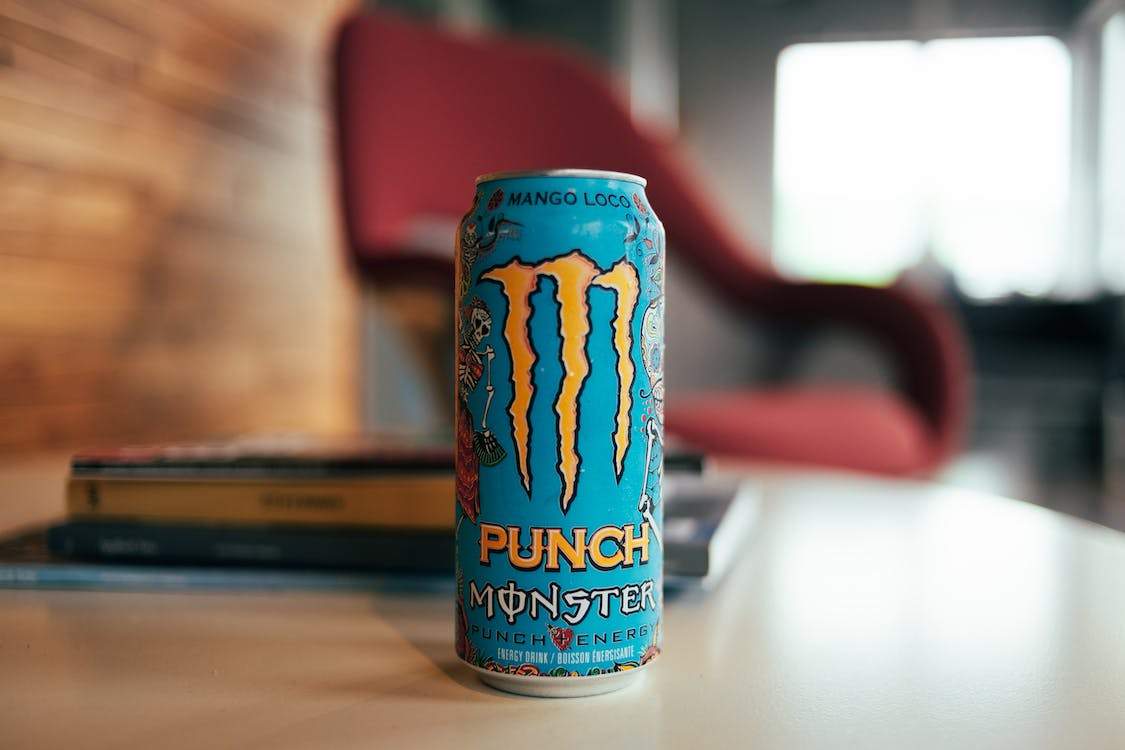
A carbonated drink is still favored by many for their intense and fizzy flavors. However, some people find that carbonation can lead to discomfort, and they prefer the smoothness and subtlety of non carbonated options.
Non Carbonated Energy Drink Ingredients: Understanding What Fuels Your Energy
Mainstream energy drinks without gas have gained popularity as a refreshing and smooth alternative to the typical energy drink with fizz. These beverages are designed to provide a quick and convenient boost of energy, helping individuals power through busy days, workouts, and mental challenges.
As health-conscious consumers become more vigilant about the products they consume, understanding the ingredients in noneffervescent energy drinks becomes essential. In this article, we’ll explore the common ingredients found in most energy drinks and their effects on the body.
Caffeine
Caffeine is the primary active ingredient in most popular energy drinks. It is a natural stimulant that works by blocking adenosine, a neurotransmitter responsible for promoting sleepiness. By doing so, caffeine increases alertness, concentration, and energy levels.
Caffeine content varies widely. NCCIH says a 16-ounce energy drink has about 70 to 240 mg, and some brands contain 300 mg per can.
B-Vitamins
Most energy drinks without fizz often contain a blend of B-vitamins, including B6, B12, niacin (B3), riboflavin (B2), and pantothenic acid (B5). These vitamins play a crucial role in converting food into energy and supporting various metabolic processes. While B-vitamins are essential for overall health, their direct contribution to the immediate energy boost in energy drinks is relatively minor.
Amino Acids
Some noneffervescent energy drinks include amino acids like taurine and L-carnitine. Taurine is an amino acid involved in many body functions, but evidence that the amounts in energy drinks improve focus or performance is limited. L-carnitine helps move fatty acids into cells to be used for energy; extra amounts don’t reliably boost fat burning.
Herbal Extracts
Herbal extracts, such as ginseng, guarana, and yerba mate, are often present in noneffervescent energy beverages. These plant-based ingredients contain natural sources of caffeine and other bioactive compounds that can contribute to the energy-boosting effects of the beverage.
Other energy drinks include herbal extracts marketed for focus or stress, though the evidence for these claims is weak.
Electrolytes
Electrolytes like sodium, potassium, calcium, and magnesium are commonly found in noneffervescent energy options. This is especially the case for energy drink mix options marketed as sports drinks. Electrolytes help maintain proper hydration and support muscle function, making these beverages beneficial for athletes and those engaged in physical activities.
Other Ingredients
Depending on the brand and formulation, noneffervescent energy drinks may contain other ingredients like antioxidants, adaptogens, and vitamins. These additions are marketed as health benefits, but the amounts are often small and the evidence is limited.
To enhance the taste of a flat energy drink, sweeteners such as sugar, high-fructose corn syrup, or artificial sweeteners like sucralose or aspartame are used. Sugar-free energy drink options are becoming more prevalent, catering to health-conscious consumers who want to avoid excessive sugar intake.
Safety Considerations
While noneffervescent energy beverages can offer a convenient boost of energy, it’s essential to consume them in moderation and consider individual tolerance to caffeine and other ingredients. Excessive consumption of energy drinks, regardless of their carbonation status, can lead to a racing heart, raised blood pressure, jitteriness, anxiety, sleep problems, and heart rhythm problems.
The FDA says up to 400 mg of caffeine a day is not generally linked to harmful effects in healthy adults. Energy drinks are not recommended for children and teens, and don’t mix them with alcohol.
Individuals with certain medical conditions, such as heart problems, anxiety disorders, or caffeine sensitivity, should exercise caution or consult with a healthcare professional before consuming energy drinks.
Benefits of Non Carbonated Energy Drinks
Noneffervescent energy drinks offer a variety of benefits that cater to different needs and preferences. While their carbonated counterparts have been popular for years, non carbonated energy drinks provide a refreshing alternative with unique advantages. Let’s explore some of the benefits of these beverages:
-
Smooth Taste: Non carbonated drinks have a smoother mouthfeel without the sharp fizziness of carbonated drinks. Some people find them easier to drink.
-
Reduced Bloating: The absence of carbonation in flat energy drinks means they are less likely to cause bloating and discomfort, making them a more comfortable choice for some individuals.
-
Hydration and Energy: Non carbonated energy drinks often include electrolytes, which support hydration during physical activity. The combination of hydration and energizing ingredients makes these beverages suitable for athletes and those engaged in intense workouts.
-
Sugar-Free Options: Some noneffervescent energy drinks come in sugar-free or low-sugar versions. Carbonation has nothing to do with sugar, though, so always read the label.
-
Variety of Formulations: Flat energy drinks come in a wide range of formulations, catering to diverse needs. Some products focus on clean and natural ingredients, while others include herbal extracts, amino acids, or additional vitamins and minerals for added benefits.
-
Enhances Alertness: The primary active ingredient in most non carbonated energy drinks is caffeine, which can make you feel more alert and focused for a while.
-
Convenient On-the-Go Option: Noneffervescent energy beverages are conveniently packaged, making them easy to carry and consume on-the-go. They offer a quick and portable solution for individuals with busy lifestyles or those who need an energy boost during travel or outdoor activities.
-
Versatile Usage: A flat energy drink can be mixed with other non-alcoholic drinks. Don’t use energy drinks as cocktail mixers: the CDC warns that caffeine can make you feel less drunk than you are, which raises the risk of binge drinking and injury.

- Added Ingredients: Many noneffervescent energy beverages contain herbal extracts, vitamins, and amino acids. Beyond caffeine, there’s little evidence these add meaningful benefits for healthy people.
- Alternative for Carbonation Sensitive Individuals: Some people may experience discomfort or gastrointestinal issues with carbonated drinks. noneffervescent energy beverages provide a viable option for those who prefer to avoid carbonation.
Energy drinks without carbonation offer an alternative to the usual fizzy cans. Their smooth taste and range of formulas make them attractive to many people.
Whether you’re looking for a hydration boost during workouts, a caffeine kick for focus and alertness, or a more comfortable alternative to carbonated beverages, consider a flat energy drink. It provides a wide array of benefits for consumers seeking an energizing lift.
As with any dietary choice, it’s essential to enjoy these beverages in moderation and consider individual health needs and tolerance to the ingredients.
The Future of Energy Drinks
As the demand for non carbonated energy drinks grows, beverage companies are likely to expand their product lines to include more alternatives. This will offer consumers even more choices in terms of flavors, formulations, and functional benefits.
Conclusion
In conclusion, the emergence of non carbonated energy drinks has provided a refreshing alternative to the more traditional carbonated energy beverages. Their main differences are texture and mouthfeel; caffeine and sugar vary by brand, not by carbonation.
Whether you prefer the fizz typical of an energy drink or seek a new and smoother experience, the energy drink industry now offers a wide range of choices to suit various tastes and preferences.
FAQs
Are non carbonated energy drinks effective for boosting energy?
Yes, if they contain caffeine. Caffeine is what increases alertness; the vitamins and amino acids add little. The effect varies from person to person based on caffeine tolerance.
Can I use a flat energy drink as a pre-workout supplement?
Yes, a caffeinated flat energy drink can work as a pre-workout. Keep total caffeine for the day under 400 mg, and avoid it if you are sensitive to caffeine or have a heart condition.
Are non carbonated energy drinks suitable for individuals with dietary restrictions or special health needs?
Some non carbonated drinks come in sugar-free or low-calorie versions, which can help people cutting back on sugar. Check labels for allergens and other restrictions, and ask your doctor first if you have a heart condition, high blood pressure, or are pregnant.
Sources
- Energy Drinks, National Center for Complementary and Integrative Health
- Spilling the Beans: How Much Caffeine Is Too Much?, U.S. Food and Drug Administration
- Effects of Mixing Alcohol and Caffeine, Centers for Disease Control and Prevention