Is Creatine Bad for Teens? Everything You Need to Know
Contents
If you have been in the fitness scene for the last decade, then you probably know what creatine is. It is one of the most researched sports supplements, and in healthy adults it is generally considered safe and effective at recommended doses.
People with kidney disease or other medical conditions should talk to their doctor before using it. But is creatine unhealthy for teens?
In this article, we will look at the benefits of creatine and explore the question, Is Creatine Bad for Teens?
Want to know if Pre-workout is safe for teens? Read this article
Is Creatine Bad for Teens?
The short answer: the research in teens is limited, and the American Academy of Pediatrics (AAP) recommends against creatine use by anyone under 18.
No studies have found clear harm in teens so far. Some sports nutrition experts think creatine can be acceptable for older teens in supervised training. But "not proven harmful" is not the same as "proven safe."
Supplements are also not tested by the FDA before they are sold, so quality varies. Some products can be contaminated or mislabeled, which is one reason pediatricians are cautious.
Research from Frontiers of Nutrition reviewed the small number of creatine studies in adolescents. The authors found that creatine appeared well tolerated, but they stressed that no study so far was designed to test its safety in teens.
They also noted that their findings are not an endorsement. Some of those studies showed performance gains in teen athletes, while others did not.
The International Society of Sports Nutrition takes a more permissive view. It says creatine may be acceptable for younger athletes who are in serious, supervised training, eat a well-balanced diet, and stick to recommended doses.
A study in Pediatrics found that when researchers posing as 15-year-old athletes called health food stores, about two-thirds of store workers recommended creatine. Most said a 15-year-old could buy it on his own, despite the AAP's recommendation against it.
So don’t take advice from a store clerk. Every teen should talk with a pediatrician or sports medicine doctor before taking creatine.
What Is Creatine?
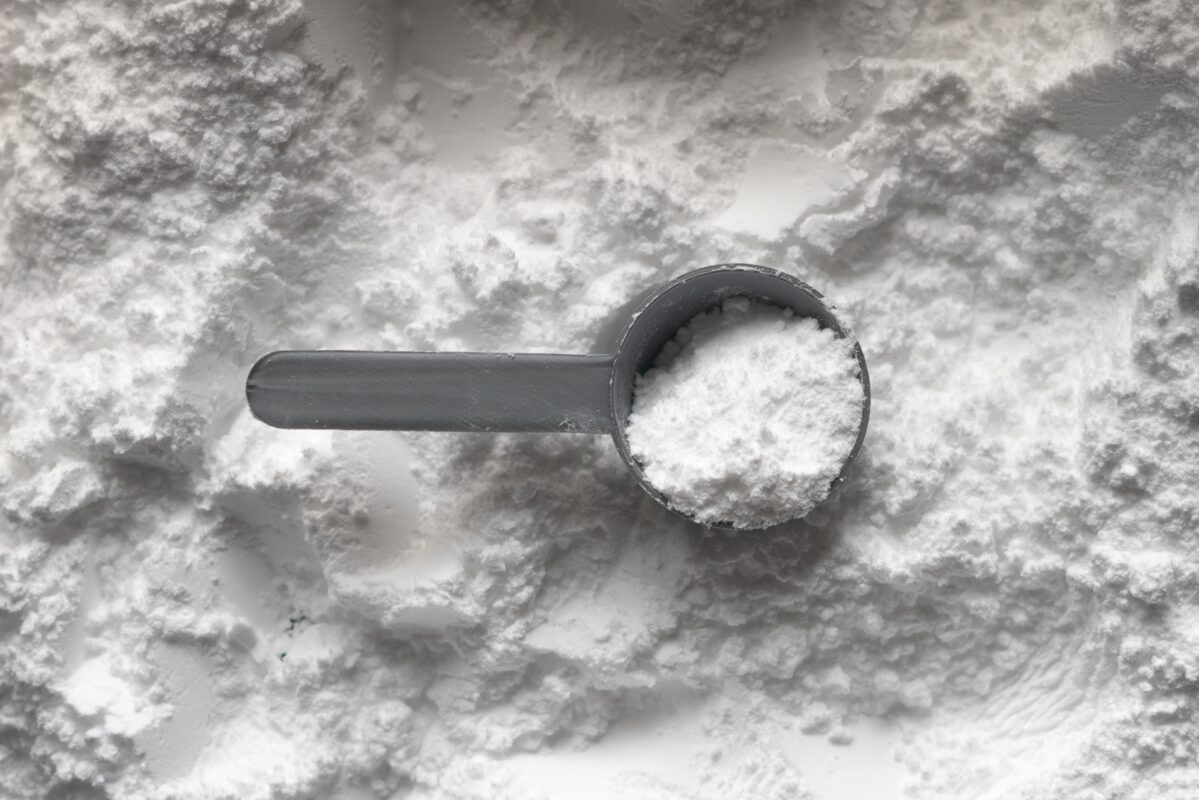
Creatine is a natural compound, not a protein. Your liver and kidneys make it from amino acids, and you also get it from foods like meat and fish.
Creatine is mostly stored in your muscles, where it helps supply quick energy during heavy lifting and short, high-intensity efforts.
In your muscles, creatine is stored as Phosphocreatine. Phosphocreatine helps your muscles quickly remake ATP, the molecule they use for energy during hard sets and sprints.
What Natural Foods Have Creatine?

If you aren’t a supplement type of individual, you can get creatine from regular foods. For teens, this is the safest way to get it.
Natural sources that contain Creatine:
- Red Meats (Beef, Steak, etc.)
- Fish (Salmon and others)
- Herring
- Chicken
What Vegan Foods Have Creatine?

Unfortunately, there are no vegan food sources that have Creatine.
Creatine is found in animal tissue, mainly muscle. Your body still makes some creatine on its own, even if you eat no meat.
Vegans and vegetarians tend to have lower creatine stores in their muscles. Synthetic creatine supplements are usually vegan-friendly.
Creatine supplements are often synthesized from sarcosine and cyanamide and do not contain animal sources.
When Should I Take Creatine?

For adults, timing matters much less than taking it consistently. Creatine works by slowly filling up your muscle stores over days and weeks, not by giving you a boost right away.
Research doses for adults are usually 3 to 5 grams a day. Taking it before or after a workout both work, so pick whatever time you will remember.
Creatine does not give you a pre-workout "energy" or focus boost the way caffeine does. Its benefits show up as a little more strength and power over time.
Teens should only follow a dosing plan that their doctor has approved.
Conclusion
The research on creatine in teens is limited, and the AAP recommends against it for anyone under 18. Focus first on good training, enough sleep, and a diet with enough protein and calories.
If you are a teen athlete and still want to try creatine, talk with your doctor first. You can also get creatine from foods like meat and fish, as we discussed before.
Want to know some great pre-workout that has creatine? Check out this article
Sources
- Safety of Creatine Supplementation in Active Adolescents and Youth: A Brief Review, Frontiers in Nutrition
- International Society of Sports Nutrition position stand: safety and efficacy of creatine supplementation in exercise, sport, and medicine, Journal of the International Society of Sports Nutrition