Is Pre-Workout Bad for Teens? Everything You Need to Know
Contents
Pre-workouts are multi-ingredient dietary formulas designed to boost energy and athletic performance. They’re typically a powder that you mix in with water and drink before you start to work out. Vitamins, caffeine, and creatine are often in those drinks, but quantities can vary widely depending on the brand.
Is Pre-Workout Bad for Teens?
The short answer: most pre-workouts are not a good idea for teens. Their main active ingredient is caffeine, often in large doses, and pediatric experts advise against stimulant drinks for children and adolescents.
In this article, we will look at what is in pre-workout, the side effects, and what teens can do instead.
See our list for the Best Pre-Workouts with Creatine here
Pre-Workout for Teens

Pre-workouts are not risk-free, especially for teens. The biggest concern is caffeine, which some products contain in large amounts. Other possible side effects include nausea, diarrhea, and an upset stomach. According to Healthline,
“In particular, high intake of sugar alcohols may trigger uncomfortable symptoms, such as gas, bloating, and diarrhea, all of which can disrupt your workout. Some people report a similar digestive response from eating certain artificial sweeteners like sucralose. However, such symptoms haven’t been scientifically proven. Excessive intake of this stimulant can lead to negative side effects, such as increased blood pressure, impaired sleep, and anxiety.”
The American Academy of Pediatrics says caffeinated energy drinks are not appropriate for children and adolescents and should never be consumed, mainly because of their stimulant content. Many pre-workouts carry the same kind of stimulant load.
The FDA also notes that medical experts advise against energy drinks for children and teens. Too much caffeine can raise heart rate and blood pressure and disrupt sleep. Teens with heart conditions, anxiety, or diabetes face extra risk.
Are Pre-Workouts Necessary?

Are Pre-Workouts necessary? No. They may give you a short-term energy boost, but they do not build muscle on their own. Their stimulants can also raise blood pressure and heart rate. According to Healthline,
“Pre-workout supplements have become increasingly popular. Advocates claim that they can improve your fitness and give you the energy you need to power through challenging workouts. However, many experts say that they’re potentially dangerous and wholly unnecessary.”
For teens, the better path is simple: train consistently, eat balanced meals with enough protein and carbs, and get plenty of sleep. That will do far more for your progress than any scoop of powder.
Pre-Work Effects
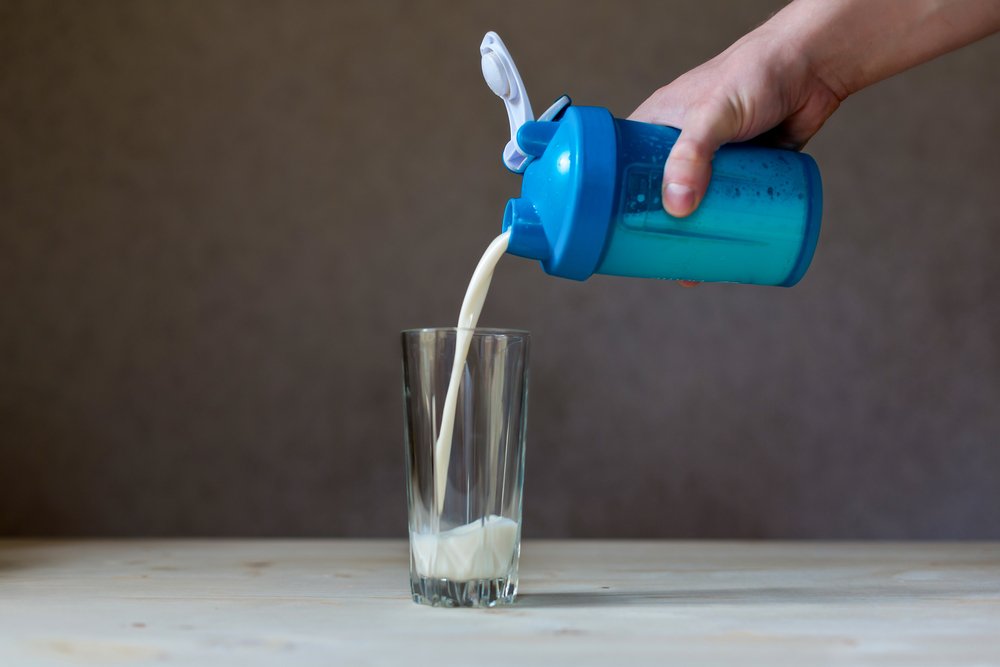
There are multiple effects that pre-workout can give you. One of the effects is caffeine, which will help you get that energy boost you would need to keep on pushing to get that last rep in. Some downsides come to drinking caffeine, specifically that jittery that you get after ingesting it, which could ruin your entire workout flow. According to Healthline.
“In theory, caffeine allows you to get more out of a given workout. Nonetheless, caffeine has several potential side effects, especially if you consume too much. These include insomnia, nausea, increased heart rate, drowsiness, headaches, anxiety, and jitteriness or restlessness.”
For adults, the FDA says up to 400 mg of caffeine a day is not generally linked to negative effects. There is no equivalent safe amount set for teens. Caffeine content varies widely between pre-workout products, and some contain a lot per serving, so always read the label.
Never use pure or highly concentrated caffeine powders. The FDA warns that less than half a teaspoon of pure caffeine can cause toxic effects like seizures.
Another thing would be the digestive upset that you can get from drinking too much. Pre-workouts mix many ingredients, and taking large or repeated servings can easily upset your stomach. According to Healthline.
“Several ingredients in pre-workout formulas may cause digestive upset. These include sodium bicarbonate, magnesium, creatine, and caffeine. Sodium bicarbonate may cause problems when consumed at 91–227 mg per pound of body weight (200–500 mg per kg). However, most pre-workout supplements do not contain this much. Magnesium, on the other hand, may have laxative effects, especially in the form of magnesium citrate. Thus, taking too much may cause diarrhea.”
Diarrhea is unpleasant, but the stimulant effects are the bigger worry, especially for teens.
Some pre-workouts also contain creatine. Creatine can improve strength and lean mass when combined with training, and it may cause some water retention. According to PMC.
“Creatine monohydrate is the most effective ergogenic nutritional supplement currently available to athletes in terms of increasing high-intensity exercise capacity and lean body mass during training. Although creatine has recently been accepted as a safe and useful ergogenic aid, several myths have been purported about creatine supplementation which includes: Creatine supplementation causes cramping, dehydration, and/or altered electrolyte status.”
Creatine is actually one of the most studied supplements. The International Society of Sports Nutrition says it is acceptable for adolescent athletes only in specific cases: serious, supervised training, a balanced diet, and no more than the recommended dose.
Even then, a teen should talk to a doctor or parent first, and plain creatine is a very different product from a stimulant-heavy pre-workout.
Pre-workout Summary

Pre-workout drinks are not necessary for anyone, and for teens the risks outweigh the benefits. Most are built around high doses of caffeine and other stimulants, which pediatric experts say young people should avoid.
If you are a teen who wants better workouts, focus on food, sleep, water, and a smart training plan. If you are still considering a supplement, talk to your doctor first. Thank you for reading the article.
See our list for the Best Pre-Workouts with Creatine here
Sources
- Healthy Beverage Quick Reference Guide, American Academy of Pediatrics
- Spilling the Beans: How Much Caffeine is Too Much?, U.S. Food and Drug Administration
- International Society of Sports Nutrition position stand: safety and efficacy of creatine supplementation, Journal of the ISSN (PMC)