What To Eat To Gain Weight And Build Muscle
Contents
Are you underweight and don’t know what to eat to gain weight? Lots of money goes to magazines, books, and weight gain supplements, but food and training do most of the work.
Gaining weight does not happen overnight and requires a commitment from you, but does not have to be hard if you work out and eat the proper foods in large enough amounts.
Caloric Increase
There is a golden rule when trying to gain muscle and weight. This being increase your caloric intake!
What does this mean? Well, each day you eat food, that food tallies up to your daily caloric intake.
If you are trying to gain weight, this means that your current intake is not enough.
You need to increase this number in order to create a calorie surplus so your body has the energy to gain weight and, with strength training, build muscle.
How Do I Increase My Caloric Intake?
The major part of your calorie and protein consumption should come from the foods you eat. Protein shakes are a good quick fix, but never a primary source.
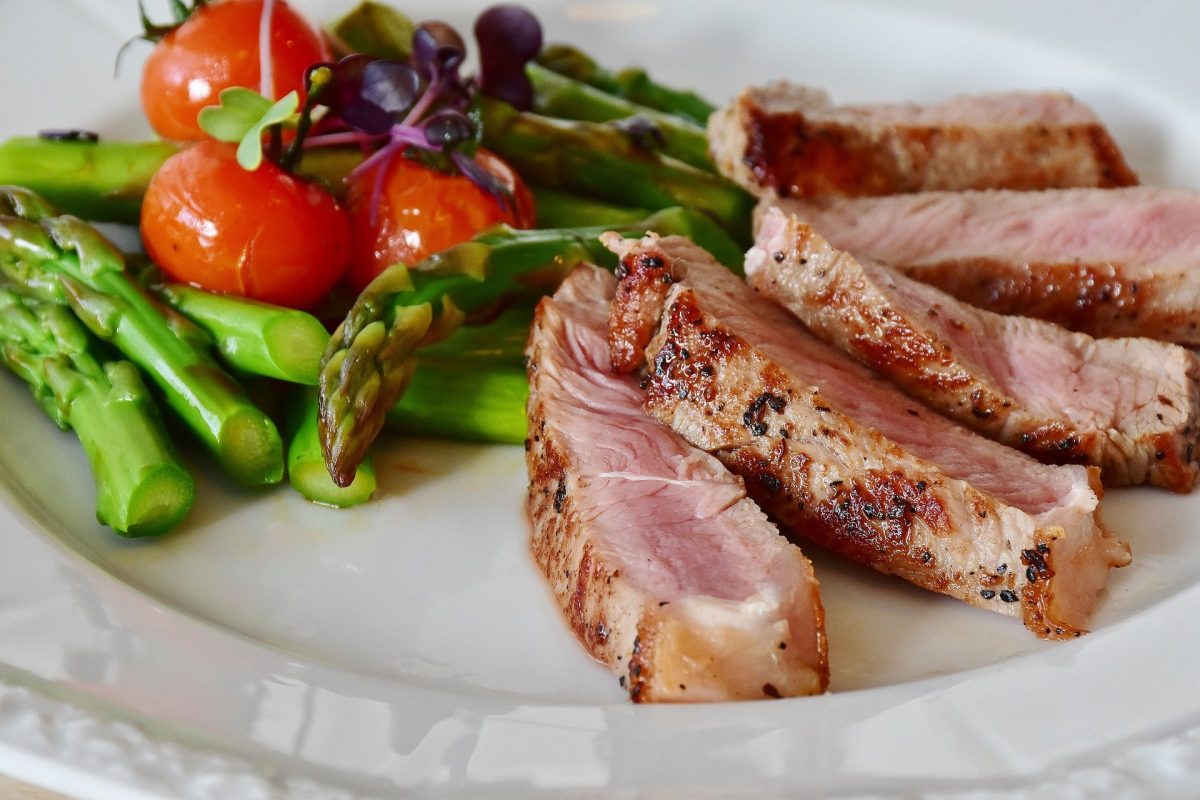
Relying on weight gain supplements instead of meals isn't a good idea. Your body needs the natural nutrients found in lean meats, poultry, fish, vegetables, and carbohydrates.
Many people are scared of carbs, but carbs are not the enemy, especially in weight gain.
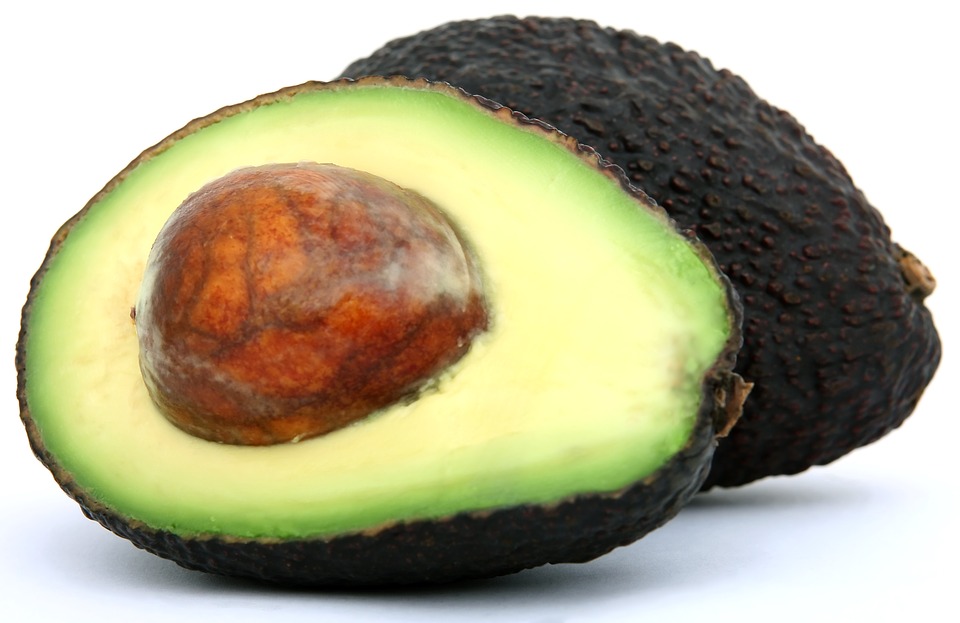
Now, you need good carbs. Good carbs come from foods like rice, oats, potatoes, whole-grain bread and pasta, beans, and fruit. Calorie-dense healthy fats from avocados, nuts, seeds, and olive oil help too.
You need more volume in terms of food, a higher protein intake, and lots and lots of GOOD carbs.
What Kind of Protein?

Another tricky question is what type of protein do you eat? Like I mentioned before, you need healthy solutions.
Some great options are:
- Chicken breasts
- Eggs
- Fish
- Nuts
- Protein Shakes (If you have to)
How Much Protein?
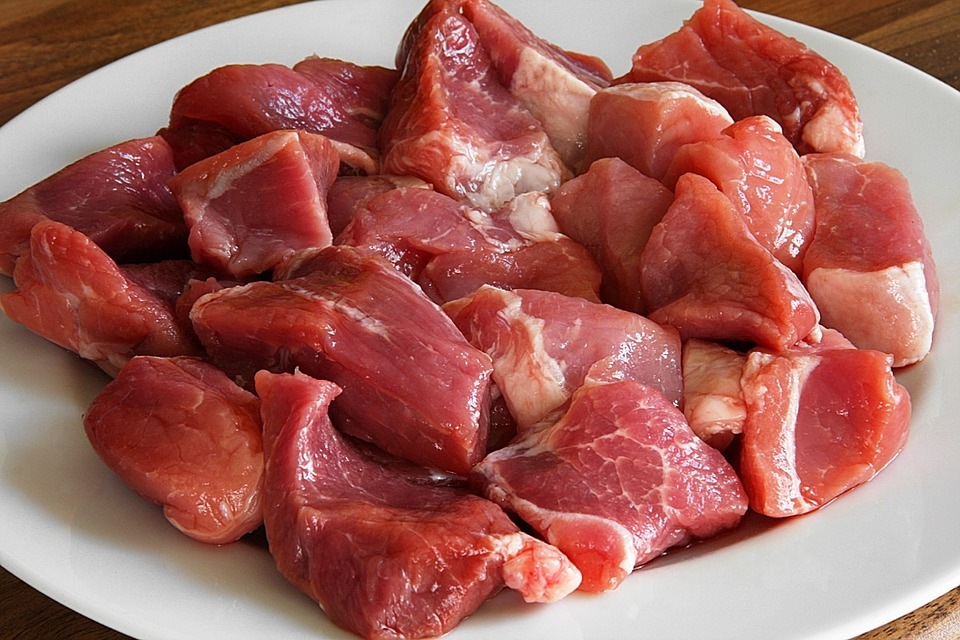
The next big question is how much protein a day should you consider? Well, this is a split question.
This is a split answer among the fitness community, but research gives a useful range.
A meta-analysis in the British Journal of Sports Medicine found muscle gains from training leveled off around 1.6 grams of protein per kg of bodyweight per day (about 0.7 grams per lb). Up to 2.2 g/kg (about 1 gram per lb) may help some people. Going higher than that isn't needed.
This also means you need to track how much you are eating and what you are eating.
How Many Calories?
How many calories should you eat per day? Well, that depends on how much you are currently eating.
You need to figure out how much you regularly eat each day. Once you determine that number, the NHS suggests adults aim for about 300-500 extra calories per day to gain weight gradually. Smaller meals with healthy snacks in between can make that easier.
Conclusion
With dedication and consistent tracking, you will get to your goal. You need protein, carbs, and an increase in calories to gain weight, and strength training helps that weight come on as muscle. Stay driven and track your progress.
If you've lost weight without trying or are underweight for no clear reason, see a doctor first, since it can signal a health problem.