Weight Lifting Straps: What They Are and How to Use Them
Contents
Weight lifting straps are a useful piece of equipment for many lifters. They help you keep your grip on a barbell or dumbbell when your hands would otherwise give out before the target muscles do.
A weight lifting strap, such as a lasso lifting strap, is a loop or strip that wraps around your wrist and the bar. They are often made of leather, canvas, or nylon. Lifters use them mainly on pulling exercises that work the back, such as deadlifts, rows and shrugs.
Straps help grip, not pressing. They don't help on squats or bench presses, and powerlifting competitions don't allow them on the deadlift. Studies show straps reduce grip as a limiting factor; one found higher peak force with straps in an isometric pull test.
How to Use Weight-Lifting Straps
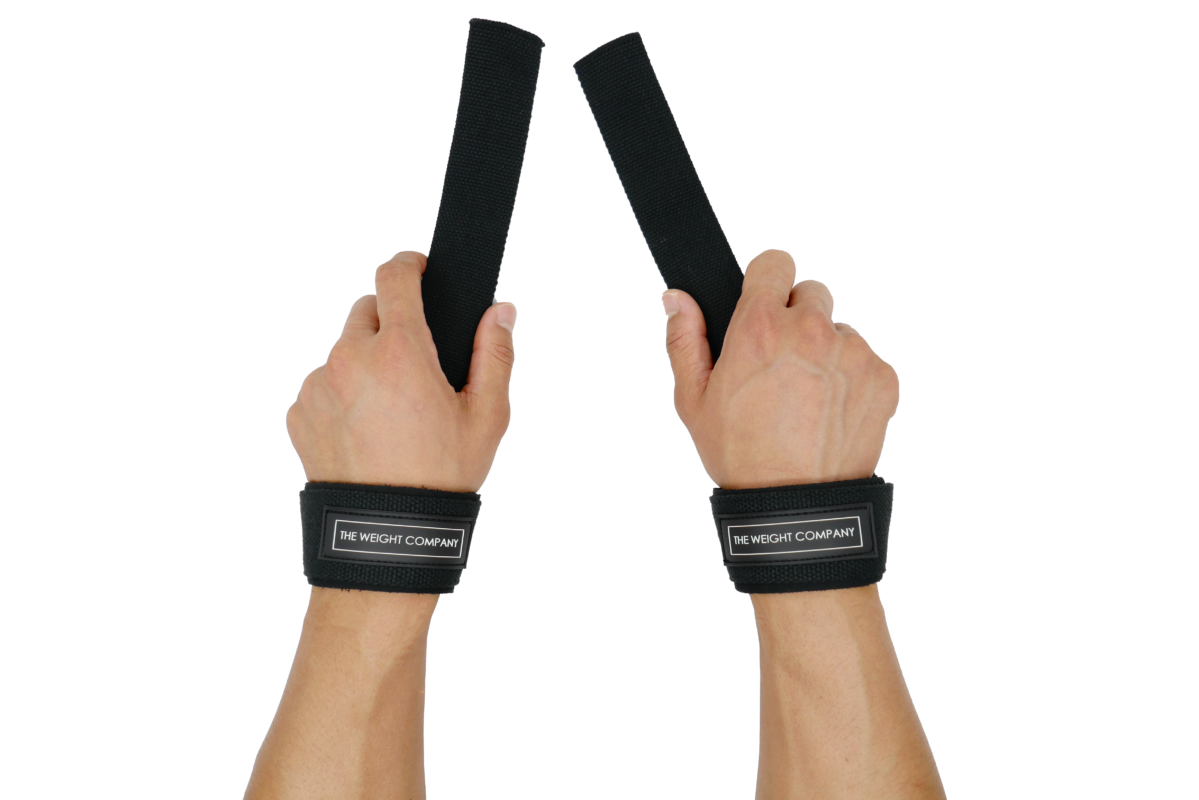
Weight lifting straps are not limited to only one exercise, but rather a bunch of different ones too. Let’s go over how you may use them during different kinds of exercises.
Back Exercises
If you’re looking to build a bigger back, straps such as a lasso lifting strap can help you lift more weight or perform more repetitions when grip is the weak link. For example, on heavy rows, loop the straps around your wrists, wrap them around the bar, and then grip. You can focus more on your back muscles and less on your grip.
Deadlifting
The deadlift is where straps are used most. With the strap looped around each wrist and wrapped around the bar, your grip is less likely to fail before your hips, hamstrings and back. Many coaches suggest training grip without straps on lighter sets and saving straps for heavy sets.
If you’re looking to add weight-lifting straps to your deadlift routine, you’ve come to the right place. Here’s a quick guide on how to use them:
- First, choose a comfortable position for your feet. You may want to experiment with different widths and stances until you find what feels best for you.
- Next, loop the straps around your wrists and wrap the free ends around the bar, making sure they’re evenly placed.
- Once the straps are in place, grip the bar with your hands and take a deep breath.
- Brace your core, then lift the bar off the ground by driving through your legs, keeping your back flat and the bar close to your body.
- Once you're standing tall, lower the bar back to the ground under control.
- Repeat for your planned number of reps.
Pull-ups
Straps can help on pull-ups when your grip gives out before your back, especially for weighted or high-rep sets. Loop the straps around your wrists and wrap them around the bar so less of the load sits on your fingers.
Here’s a step-by-step guide on how to use weightlifting straps for pull-ups:
- Place the straps around your wrists.
- Wrap the free ends of the straps around the bar, then grip over them.
- Place your hands on the bar slightly wider than shoulder-width apart.
- As you pull yourself up, focus on keeping your elbows close to your body and engaging your back and shoulder muscles.
- Use the straps to help you lower yourself down under control.
Keep in mind that straps take work away from your grip, so they don't build grip strength. Do some pull-ups without them too.
Dumbbell Rows
On heavy dumbbell rows, straps let you hold the dumbbell longer so your lats and upper back do the work. A lasso lifting strap works well for this exercise.
Here’s a step-by-step guide to using weightlifting straps during dumbbell rows:
- Loop the strap around your wrist and wrap it around the dumbbell handle, snug against your hand.
- Place your other hand and knee on a bench, with your back flat.
- Let the dumbbell hang at arm's length below your shoulder.
- Row the dumbbell toward your hip, keeping your elbow close to your side.
- Pause for a moment at the top, then lower the dumbbell under control.
- Repeat for the desired number of reps, then switch sides.
When using weightlifting straps, it’s important to keep a few things in mind. First, make sure the strap is positioned correctly on the handle or bar. Second, always maintain good form throughout the entire movement.
And lastly, don’t be afraid to experiment with different grip widths and hand positions. This will help you find what works best for you and allows you to target different muscle groups.
Lat Pulldowns
Straps can also help on heavy lat pulldowns. Adjust the machine first so your thighs are snug under the knee pad.
Loop the straps around your wrists, wrap them around the pulldown bar, and grip over them. Sit down with your feet flat on the floor.
Now you are ready to begin the exercise. Lean back slightly and pull the bar down to your upper chest, driving your elbows down. Slowly return to the starting position and repeat for the desired number of repetitions.
Weightlifting straps can be a useful addition to your workout routine when grip limits your back training. Research suggests they mainly let you lift heavier absolute loads on grip-limited lifts, so use them as a tool rather than on every set.
Get Weight Lifting Straps Here!