Spinning Barbell: The Must-Know Facts
Contents
- Which Barbells Spin? Types of Barbells
- Bearing Barbells
- Bushing Barbells
- A Brief History of Olympic Barbells
- Bar Construction
- Sleeve Rotation
- Bearings and Bushings
- Collars and Locking Mechanisms
- Weight Distribution
- Lifting Techniques
- Versatility
- Components that Barbells Spin
- Needle Bearings
- Ball Bearings
- Bushings
- Sleeve Design
- How to Stop a Barbell Spin
- Maintain Proper Form and Stance
- Communicate with a Spotter (if available)
- Lower the Barbell Gradually
- Release the Barbell (if necessary)
- Use Collars or Clips
- Engage Spotter Arms or Safety Olympic Bars
- Practice Controlled Lifts
- Know Your Limits
- How to Make Barbells Spin Better
- Upgrading Bearings
- Professional Inspection & Maintenance
- Proper Storage
- Conclusion
- FAQs
- Are deadlift bars supposed to spin?
- Should barbells spin?
- Are all Olympic bars supposed to have rotating sleeves?
- Sources
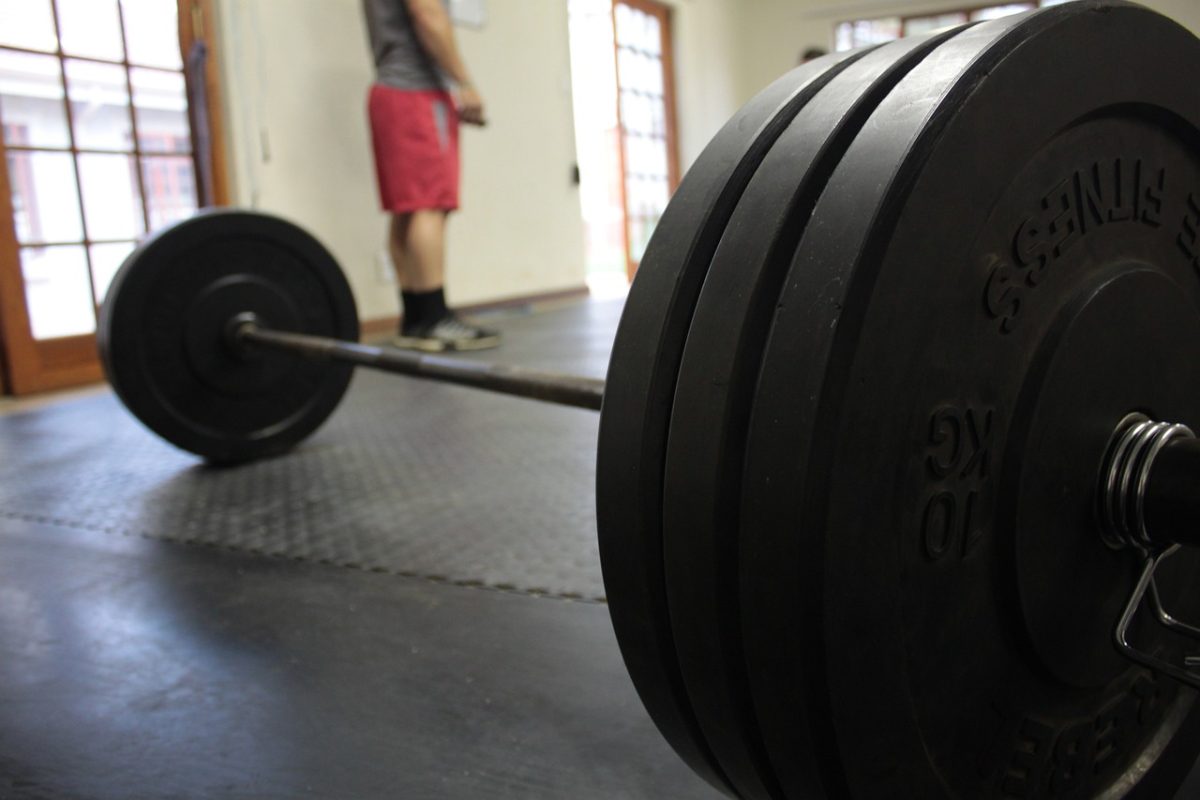
The spinning feature of barbells is a crucial aspect of weightlifting and strength training. The sleeves that hold the plates rotate on bearings or bushings, so the plates can turn independently of the shaft you grip.
Because the plates' rotation isn't forced through your hands, a spinning barbell lets you turn the bar over smoothly in the snatch and clean. Read on to learn which barbells spin and the components that make them spin.
Which Barbells Spin? Types of Barbells
The choice between bearing and bushing barbells depends on the lifter’s skill level, specific lifting goals, and preferences. Bearing barbells are often preferred for technical lifts requiring rapid movements while bushing barbells are suitable for general strength training and powerlifting exercises.
Bearing Barbells
They have either needle or ball bearings. Sometimes, they have both. These bearings are positioned within the barbell sleeves to facilitate smooth rotation. Bearing barbells are a top choice in Olympic weightlifting due to their high-quality spin.
They enable fast and precise movements during dynamic lifts like snatches and cleans. How much a bar spins depends on the bearing type, the number of bearings and how well the bar is maintained.
Bushing Barbells
Bushing barbells use bushings, which are small cylindrical components, in the spinning sleeves to reduce friction and enable rotation. While bushing barbells don’t offer the same level of spin as bearing barbells, they are still suitable for a wide range of weightlifting and powerlifting exercises.
They tend to provide a slightly slower spin than the barbells above, which can be advantageous for lifts that require more control.
A Brief History of Olympic Barbells
Olympic barbells evolved over many decades. Early weightlifters often trained with fixed barbells and dumbbells that lacked rotating sleeves.
Lifters had to use cumbersome techniques to maneuver the weights.
The turning point was the rotating sleeve. Sleeves that turn on bushings or bearings let lifters perform dynamic movements like snatches and cleans more effectively.
This innovation helped shape modern weightlifting and powerlifting equipment.
Olympic barbell mechanics revolve around their design and functionality, aimed at optimizing weightlifting and strength training exercises. Here’s an overview of these mechanics.
Bar Construction
Olympic bars are made of high-quality steel. A men's competition bar is about 7.2 feet (2.2 meters) long and weighs 20 kg, with a 28 mm shaft, while a women's bar is shorter, lighter (15 kg) and thinner (25 mm). Knurling and marks on the shaft guide grip placement.
Sleeve Rotation
Olympic barbell sleeves rotate independently of the central bar shaft. Components like bearings or bushings facilitate this rotation.
Bearings and Bushings
Bearings (needle or ball) and bushings are within the spinning sleeves. They allow for smoother and faster rotation, while bushings offer controlled rotation with less spin. These components minimize friction between the Olympic bar and the weights, enhancing the lifting experience.
Collars and Locking Mechanisms
Collars secure the weights on the spinning sleeves and prevent them from sliding during lifts. The plates still turn with the sleeve; collars only stop them from moving along it.
Weight Distribution
The spinning sleeves let the plates keep their own momentum while the shaft rotates in your hands. As a result, the plates' rotational inertia isn't fighting your wrists and elbows when you turn the bar over.
Lifting Techniques
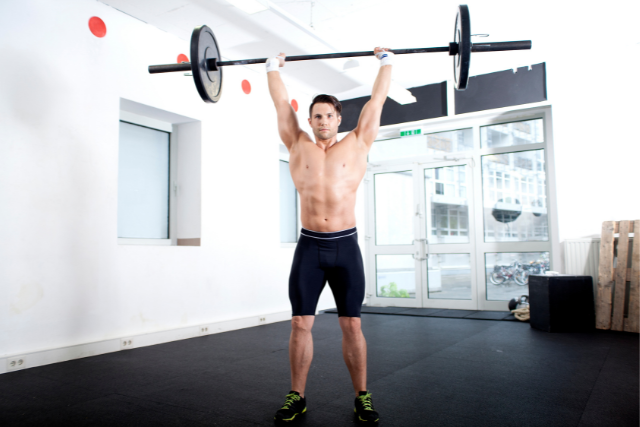
Olympic barbells with spinning sleeves are essential for dynamic lifts like snatches and cleans, where the lifter needs to transition quickly between different phases. The spin of the barbell enables smoother transitions, better momentum control, and improved performance.
Versatility
Olympic barbells with spinning sleeves are versatile tools. They work for weightlifting, powerlifting and general strength training.
Components that Barbells Spin
Here are the key components that enable barbells to spin:
Needle Bearings
These are small cylindrical rollers positioned within the sleeve of the barbell. They allow smooth rotation by minimizing friction between the sleeve and the bar. The rolling action of needle bearings enables the weights to spin independently of the bar.
Ball Bearings
Ball bearings use small steel balls instead of rollers. Some bars use them, sometimes combined with needle bearings, to provide smooth rotation.
Bushings
Bushings are small, cylindrical components inserted into the barbell sleeves. They reduce friction and provide a buffer between the bar and the sleeve. While bushings don’t give as much spin as bearings, they still allow for a moderate degree of rotation, making them suitable for various Olympic lifting techniques.
Sleeve Design
The design of the barbell’s sleeve contributes to its spinning ability. The sleeve fits over the end of the shaft with a bearing or bushing between them, and tight tolerances plus proper lubrication keep the rotation smooth.
In combination, these components reduce friction and let the barbell’s weight plates rotate independently of the shaft.
How to Stop a Barbell Spin
You don't need to stop the sleeves from spinning during a normal lift; the spin is part of the design. What you do need is control of the bar, especially if a lift goes wrong. Here's how to stay safe.
Maintain Proper Form and Stance
If you’re in the middle of a lift and need your barbell to stop spinning, maintain a stable and balanced position. Your feet should be firmly planted on the ground, hip-width apart, with your knees slightly bent.
Communicate with a Spotter (if available)
If you have a spotter present, communicate your intention to stop a barbell spin. A spotter can assist you in safely bringing it to a stop, especially if the weight is heavy or you’re struggling with the lift.
Lower the Barbell Gradually
Gradually lower the barbell back to the starting position. Use controlled movements to guide the barbell down.
Release the Barbell (if necessary)
In weightlifting, a missed snatch or clean is usually dumped forward or behind you onto a platform with bumper plates. Move away from the barbell as you release it to avoid injury, and never drop a bar from a bench press.
Use Collars or Clips
Always use collars or clips on each side of the barbell. They keep the plates from sliding off or shifting, which can unbalance the bar mid-lift.
Engage Spotter Arms or Safety Olympic Bars
If you’re using a power rack or squat rack with spotter arms or safety bars, set them at an appropriate height before attempting a lift. If you can’t complete the lift, lower it onto the safety bars. The NSCA's professional standards call for attentive spotting alongside power racks when free weights rest on the trunk or move over the head or face.
Practice Controlled Lifts
Practice controlled lifts. Focus on maintaining proper form and using an appropriate weight, which reduces the chance of a missed lift.
Know Your Limits
Avoid attempting lifts that are too heavy for your current abilities. Gradually progress in weight and difficulty to build strength safely.
Remember that safety should always be your top priority when working with heavy weights and barbells. If you’re uncertain about a lift or feel that you might need assistance, don’t hesitate to ask for help from a qualified trainer or spotter.
How to Make Barbells Spin Better
Here are a few things you can do if your barbells aren’t spinning smoothly.
Upgrading Bearings
On some bars, the sleeves can be serviced or the bushings and bearings replaced. Check the manufacturer's instructions first.
Professional Inspection & Maintenance
Regular cleaning and lubrication help maintain spin over time. The NSCA safety checklist includes checking that Olympic bars rotate properly and are lubricated and tightened.
Proper Storage
Store barbells on a rack, horizontally or in a vertical bar holder, and keep them dry to prevent rust in the shaft and sleeves.
Conclusion
Spinning sleeves changed weightlifting by letting lifters turn the bar over smoothly. Understanding the components that create the spin, maintaining the bar and choosing the right type will help you get the most out of it.
Bearing bars suit the fast Olympic lifts. Bushing bars are a durable, affordable choice for general strength training and powerlifting.
FAQs
Are deadlift bars supposed to spin?
Yes. Deadlift and powerlifting bars have rotating sleeves, but they usually spin less than Olympic weightlifting bars.
Should barbells spin?
Yes, an Olympic-style barbell's sleeves should rotate. Spin matters most for dynamic lifts like snatches and cleans.
Are all Olympic bars supposed to have rotating sleeves?
Yes. Olympic-style bars are built with rotating sleeves, even budget models, though cheaper bars often use bushings and spin less freely. Standard 1-inch bars and some fixed bars do not rotate.