Should You Workout When Sore?
Contents
Soreness in the muscles is something that we all experience after a hard day of lifting in the gym. Hard or unfamiliar exercise causes tiny tears in muscle fibers, and as you rest those muscles heal and adapt. That repair process can cause pain in the worked areas.
Is soreness something that you should push through and continue to lift? Or should you rest when that feeling of soreness is bringing pain to your muscles? Well in this article I will be answering these questions for you.
Why Do You Get Sore?
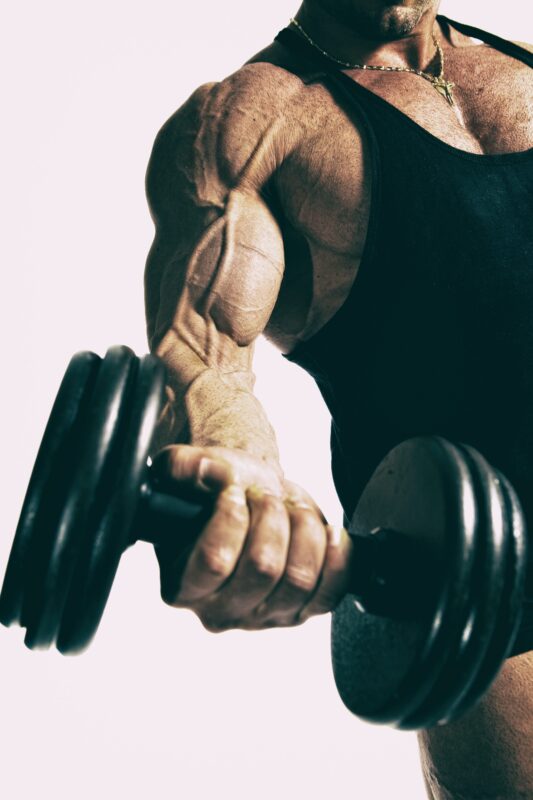
When you lift weights, especially in new or unfamiliar ways, muscle fibers get small tears that repair over a rest period. Live science.com says “Muscle contractions cause microscopic tears along with the muscle and nearby connective tissues, according to ACSM. These tiny tears don’t directly cause soreness. Rather, the pain is a side effect of the muscle repair process” read more here.
This is why you shouldn’t train the same muscle groups hard every day. Give each muscle group at least a day or two of rest time between hard sessions so it can recover.
Muscle soreness is normal, but it isn’t a reliable sign of progress. Cleveland Clinic notes that a workout can be productive without soreness, and soreness usually lessens as your body adapts to a routine.
Are you Sore Or Are You Injured?
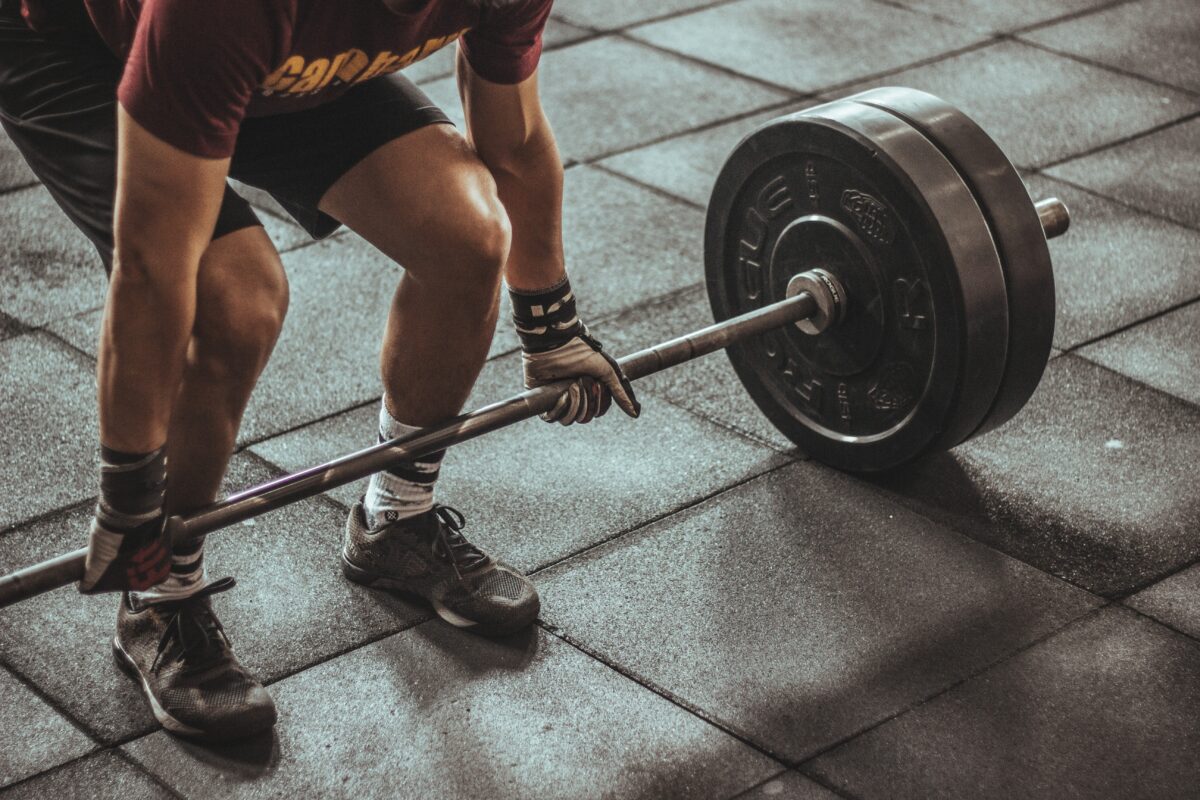
The first thing that you should determine is if you are sore or if you have an injury. Delayed onset muscle soreness usually starts one to three days after a hard workout and rarely lasts more than five days. How badly it hurts and how long it lasts vary with how hard you worked.
If the pain lasts longer than a few days and feels a little bit more than just a little uncomfortable it might be an injury such as a muscle strain. Muscle strains happen when the tendons or muscles are overworked.
These injuries can be painful and get worse if not treated. “Minor injuries may only overstretch a muscle or tendon, while more severe injuries may involve partial or complete tears in these tissues.” read more here.
If your pain lasts longer than a few days and is more painful than the normal feeling of being sore you may possibly be injured. Seek medical advice for sharp pain that limits movement, severe swelling, or pain that doesn’t improve with rest. Go to the emergency room if your urine turns dark or bloody after a hard workout, since that can signal rhabdomyolysis, a rare but serious condition. According to mayoclinic.org, the symptoms of a strain may include, pain or tenderness, bruising, limited motion, swelling, and more.
But the good thing is that most minor strains can be treated easily. “Initial treatment includes rest, ice, compression, and elevation. Mild strains can be successfully treated at home.” read more here. So if your muscle is strained then you should rest up to prevent further injury.
A sensible way to lower your risk of strains is to warm up with light cardio and dynamic stretching before your workout and to increase weight gradually. A warm-up also helps your range of motion. if you want to learn more we wrote another article on warming up. read here.
When you are healed from an injury you can return to your workouts, but you might wanna take it easy at first just in case it is still healing. injuries are nothing to make light of. Ignoring an injury and training through it can turn a minor problem into a longer-lasting one.
If You Are Still Sore Should You Workout?
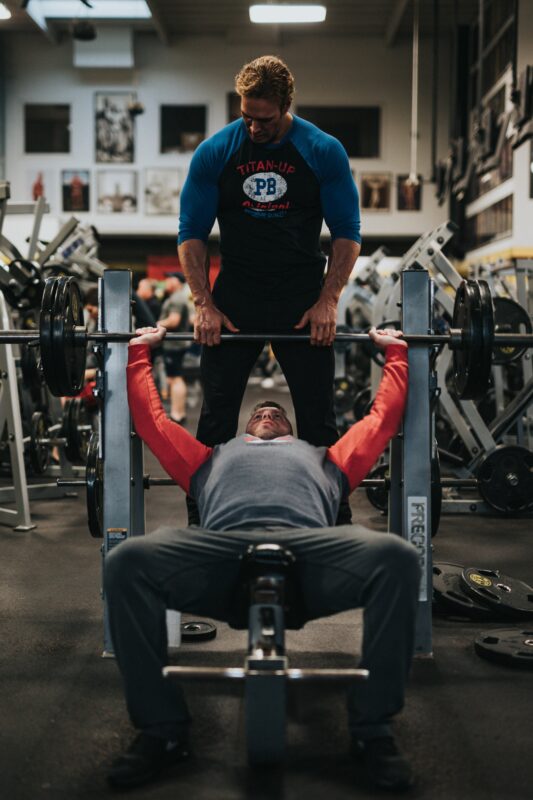
If muscle soreness is a sign that they are healing, then is it a bad thing to lift again, if you are still feeling sore after a day of rest? Should you push through or is that an indicator that you should rest for longer?
As mentioned earlier if you are injured or think that you might be injured you should most definitely not workout. But if it is just soreness the answer can be different depending on the situation.
In my personal experience, I have worked out while mildly sore without problems. I remember just a few months ago I did this new routine that called for lifting weights twice a day. And there was a day’s rest between each muscle group.
During this workout for the first week, I was feeling sore in all of my muscles. It wasn’t unbearable, it was just that annoying pain that we all get when doing a new routine. I ended up pushing through the pain for the first week and by the second or third week I wasn’t getting the pain anymore.
That was the right decision for me personally. Soreness from a new routine usually fades as your muscles adapt, which is why I wasn’t as sore after the first week. Training while sore didn’t make me stronger by itself; sticking with the routine did.
But the pain was never close to unbearable; it was just normal, dull soreness. Cleveland Clinic advises that with mild soreness you can try a lighter workout, but you should not push through real pain. Be careful if the soreness is worse than normal to avoid injury.
If the pain seems more than just a little sore that might mean that you should take a rest for a day or two and decide after that what you should do next.
Conclusion
Soreness is not a bad thing, but it’s not a scorecard either. You can make progress without being sore, and soreness means your muscles are recovering from work they weren’t used to.
Should you push through and work out when you are sore? If it’s mild, dull soreness, yes, but go lighter or train different muscles that day. If the pain is sharp, severe, or limits your movement, take time off. If it is unbearable, lasts more than about a week, or comes with dark urine or major swelling, see a doctor.
Soreness is all part of working out and if you are smart with the decisions that you make when you are feeling pain then it will be no problem. You just need to know your own limitations and not be too prideful when it comes to pushing through pain.
Sources
- Delayed Onset Muscle Soreness (DOMS): What It Is and Treatment, Cleveland Clinic
- If You're Sore After a Workout, Should You Be Concerned?, Cleveland Clinic