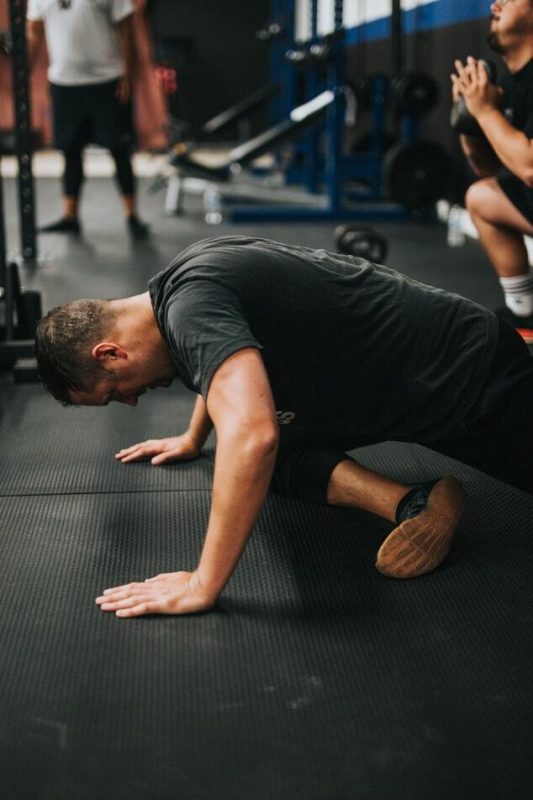
Should You Warm Up Before Working Out?
Warming up is a pre-workout preparation of muscles to “warm-up” those muscles for the workout ahead. Warm-ups are used by many and ignored by many as well. There are a few different ways to warm up. Some use stretching or different forms of cardio.
Warming up is something that we may not have used in our personal workouts. Should you warm-up? And if so should you stretch or use cardio. In this article, I’m going to answer these questions
Should You Use Cardio To Warm Up?

Cardio is great for your heart and helps you burn calories, whether you’re trying to lose weight or get shredded for the summer. But should you use cardio to warm up before lifting?
A short, easy cardio warm-up is a good idea. Harvard Health recommends five to 10 minutes of light activity, such as a quick walk, to get blood flowing before you stretch or exercise. What you want to avoid is a long or hard cardio session right before lifting, since that can deplete the energy you need for your weight session.
Longer cardio sessions are often placed post-workout. The writers at Body building.com say “When you weight-train, you typically use glycogen as fuel. By doing weight-training first, you can burn the majority of your glycogen stores. Knocking out your cardio after you crush the weights will burn more fat!” read more here.
Keep in mind that total calories burned over time matter more for fat loss than the order of your workout. So should you use cardio before lifting weights? Yes for a short, light warm-up; no for a long, hard session. Save your main cardio for after lifting or for a separate day.
Should You Use Stretching To Warm Up?

Is stretching really beneficial as a warm-up? The answer varies depending on what kind of stretches are being performed. Dynamic stretches are said to be great prior to weightlifting. Whereas Static stretching is not beneficial before lifting.
Static stretches should not be used prior to working out. According to the writers at livestrong.com “Static stretches before weightlifting reduce your muscles’ ability to perform optimally” read more here. Short static stretches have only a small effect, but if strength and power are your priority, save longer static stretching for after your workout.
Instead of static stretches, you should use dynamic stretches. “Dynamic stretching involves running a muscle through its range of motion“, read more here. Dynamic stretching prepares your muscles and joints for movement and can help your range of motion read more here. Evidence on whether warm-ups prevent injuries is mixed, but they are low-risk and help you feel ready.
Conclusion

So Should you warm up before lifting weights? Absolutely! But you must use the right methods. Start with five to 10 minutes of light cardio, then do dynamic stretches and a few light sets of your first lift. Skip long, hard cardio right before lifting because it takes away your energy. A good warm-up gets your muscles ready for a heavy session and helps your range of motion.
A light cardio and dynamic stretching warm-up is something everyone can use. The NHS warm-up routine, for example, starts with marching on the spot and takes at least 6 minutes. I personally will be using dynamic stretching from now on.
Sources
- The importance of stretching, Harvard Health Publishing
- How to warm up before exercising, NHS