Red Bull vs. Monster: Which One Is Better?
Contents
- The Main Difference Between Red Bull vs. Monster
- What is Red Bull?
- Ingredients
- What is Monster Energy Drink?
- Monster Energy Ingredients
- The Similarities Between the Monster and Red Bull
- Both Red Bull and Monster Are Caffeinated Energy Drinks
- They Have Low-Calorie or Zero-Sugar Options.
- They Contain Carbonated Water.
- They Contain Vitamins (Vit B6, B12, and B3)
- The Major Differences Between Monster and Red Bull
- Size Differences
- Flavors
- Taste Difference
- Caffeine Content
- Calories
- Sugar Level
- Preservative
- Health Benefits and Side Effects of Red Bull Energy Drink
- Benefits and Side Effects of Monster Energy Drink
- Conclusion
- Frequently Asked Questions
- Which energy drink will give you more energy?
- Monster or Red Bull: Which drink is cheaper?
- Monster or Red Bull: which one is stronger?
- Sources
Red Bull and Monster are two of the world’s most popular energy drinks that are loved by millions. Many people try them first because they are so widely available. Like all energy drinks, they are safe for most healthy adults only in moderation.
But…
Between Red Bull and Monster, which one is better? Well, in this article, we’ll elaborate more on the differences and similarities between Red Bull and Monster energy drinks.
The Main Difference Between Red Bull vs. Monster
The main differences between Red Bull vs. Monster are:
- Red Bull’s classic can is 250 ml (8.4 oz), whereas Monster’s standard can is 473 ml (16 oz), which means more energy drink.
- Red Bull is tangier and slightly sweeter, whereas Monster is stronger and more intense.
- An 8.4 oz Red Bull has about 110 calories, while a 16 oz Monster has about 210 calories.
- An 8.4 oz Red Bull has about 27 g of sugar, whereas a 16 oz Monster has about 54 g.
- An 8.4 oz Red Bull has 80 mg of caffeine, while a 16 oz Monster has about 160 mg. Per ounce, they are almost the same.
- Both brands are sold around the world. Red Bull is especially strong in Europe, while Monster is especially popular in the U.S.
Before going deeper into the differences between Red Bull and Monster, we should first find out what these drinks are and what makes them special. We’ll also help you determine the best option between Monster or Red Bull.
What is Red Bull?
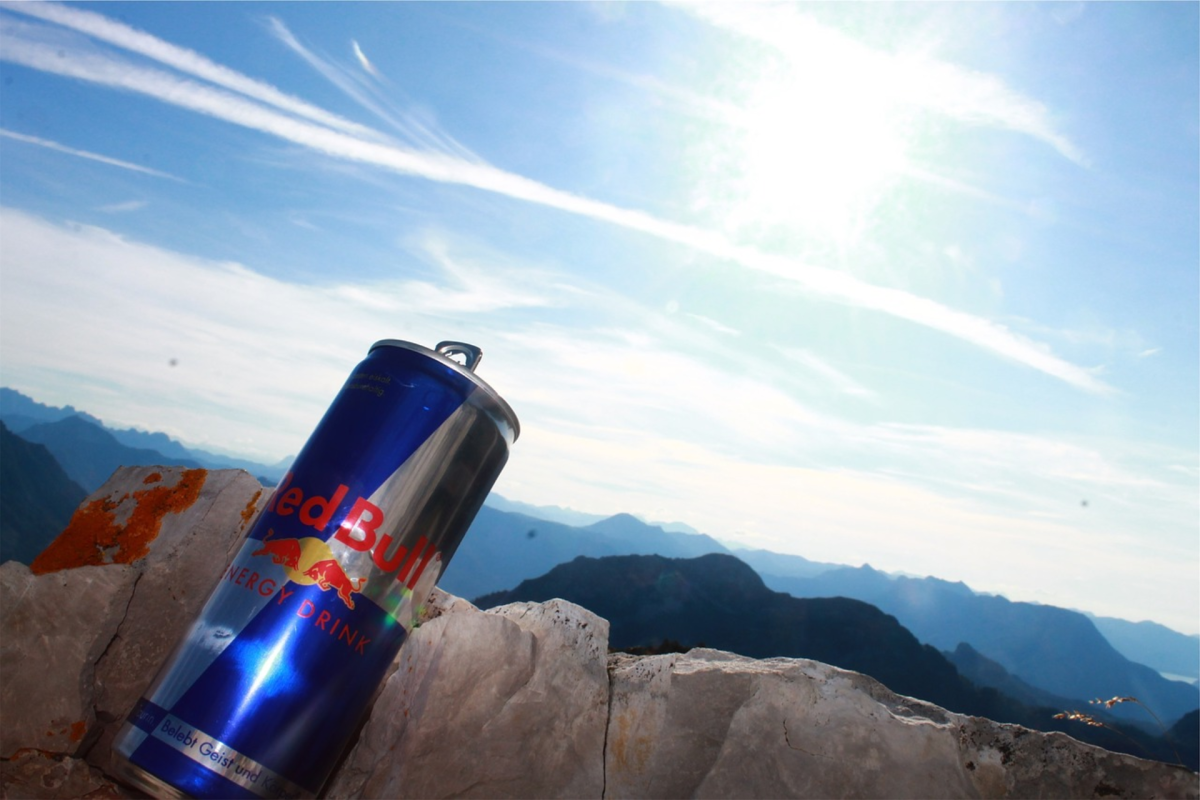
Red Bull is one of the world’s best energy-boosting drinks with an unmistakable taste and popular silver and blue can. This energy drink is a known staple drink for anyone who requires an instant energy boost to go through their busy day.
But do you know what sets Red Bull aside from the other drinks?
Well, Red Bull has a unique taste that has been described as tart and sweet, while some folks claim that it has a bitter aftertaste.
I find it invigorating and refreshing, particularly when served cold.
Red Bull gives you a caffeine boost that typically lasts a few hours. It isn’t perfect, though: the original version has a lot of sugar for a small can.
I haven’t had a bad experience with it, and the sugar-free versions are a plus if you’re cutting back on sugar. With its convenient packaging and distinctive taste, it’s easy to understand why it has become one of the most popular options worldwide.
Ingredients
Some of its unique ingredients include:
- Carbonated water: This gives Red Bull its fizz and makes up most of the can.
- Glucose and sucrose: These ingredients add a sweet taste to the Red Bull energy drink and provide quick energy. Generally, glucose is a simple sugar easily absorbed, while sucrose is table sugar. These sugars add calories and raise blood sugar quickly.
- Citric acid: This ingredient is a flavor enhancer and natural preservative in fruits like oranges and lemons. This product adds a tartness with a sour taste while balancing sugar’s sweetness.
- Magnesium carbonate and sodium bicarbonate: These ingredients help regulate the drink’s acidity. Sodium bicarbonate is baking soda.
- Taurine: This amino acid is made by the body and found in fish and meat. Evidence that the taurine in energy drinks reduces fatigue or improves performance is limited.
- Caffeine: Another crucial ingredient that can improve your physical and mental performance while increasing alertness is caffeine. Caffeine is a natural stimulant found in various beverages, including tea and coffee.
- B Vitamins: Red Bull comes with B vitamins (Vitamin B12, Pyridoxine HCL, Calcium Pantothenate, and niacinamide. These vitamins help your body turn food into energy, but they won’t make you feel more energetic unless you are deficient. Vitamin B12 helps with red blood cell production and nerve function, and vitamin B6 (pyridoxine) supports normal brain function.
The caffeine is what does most of the work. Some people worry about Red Bull’s caffeine and sugar, while others find a single can a reasonable way to stay alert.
What is Monster Energy Drink?
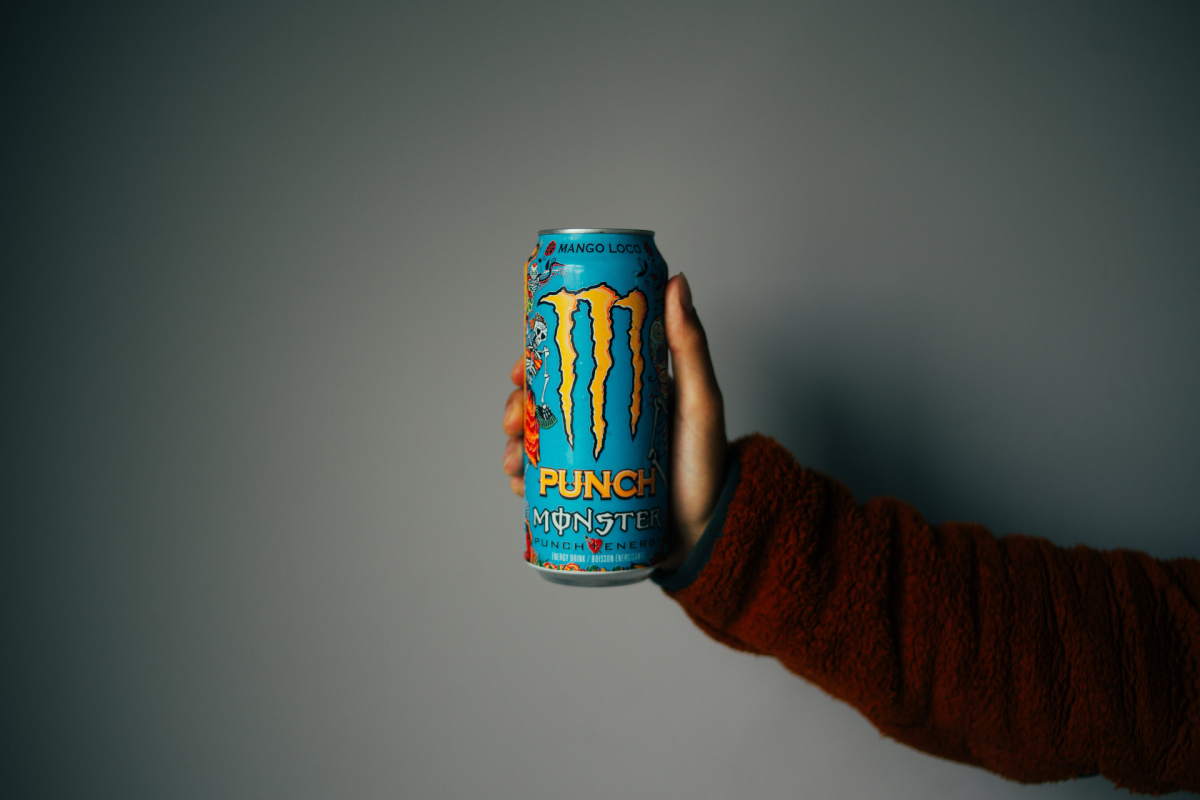
There are hundreds of energy drinks in the market, but very few can challenge Monster Energy Drinks. Monster energy drinks are widely spread and popular beverages in the country. So what sets this brand apart from the others?
Well, this brand packs a serious punch regarding caffeine content. A standard 16 oz can of Monster has about 160 mg of caffeine, so it isn’t ideal for people who are sensitive to caffeine. I need this caffeine level after a tough workout or a busy workday.
But if you’re sensitive to caffeine, you should know the side effects of Monster.
Besides caffeine, it has many other ingredients designed to boost mental focus and energy levels. Some of these ingredients include B vitamins, ginseng, and Taurine. Unfortunately, our bodies react differently to some of these ingredients. But it does help keep me focused and alert all day long.
Excessive energy drink consumption can cause side effects. The FDA says up to 400 mg of caffeine a day is not generally linked to harmful effects in healthy adults, so count every source toward that limit.
Monster Energy Ingredients
Like Red Bull energy drinks, Monster is a recognizable brand that’s more popular in the United States than in Europe. Have you ever thought of the exact ingredients that go into your can of Monster? Let’s find out.
- Carbonated water: Like all energy drinks, carbonated water provides a refreshing fizz in Monster that we love.
- Sugar and glucose: These are the main sources of carbs and calories in the original drink.
- Natural flavors and citric acid add flavor and tartness.
- Sodium citrate and Taurine: Like Red Bull, Monster does come with Taurine and sodium citrate. Sodium citrate is an acidity regulator, while taurine is an amino acid that helps regulate mineral and water balance in cells.
- Sucralose: Even the original sugared Monster lists sucralose, a zero-calorie sweetener.
- Benzoic acid and sorbic acid: These serve as preservatives that help keep your drink fresh.
- Panax ginseng extract, L-carnitine, and niacinamide (vitamin B3) are also on the label.
Monster energy drink also includes inositol, D-Glucuronolactone, salt, guarana extract, riboflavin, pyridoxine hydrochloride, cyanocobalamin, and maltodextrin.
The Similarities Between the Monster and Red Bull
Before discussing the differences between Red Bull and Monster, we should first mention their similarities. After all, these drinks were designed to enhance physical and mental performance. Some of the key similarities include:
Both Red Bull and Monster Are Caffeinated Energy Drinks
Both drinks contain caffeine at about the same strength: roughly 9.5 to 10 mg per ounce. Because the cans differ in size, the total per can is different. An 8.4 oz Red Bull has 80 mg, a 12 oz Red Bull has about 114 mg, and a 16 oz Monster has about 160 mg.
They Have Low-Calorie or Zero-Sugar Options.
Both Red Bull and Monster have low-calorie options. Red Bull sells Sugarfree and zero-calorie versions.
Monster Energy has dozens of variants, including the Ultra line with zero sugar.
These variants taste slightly different from the originals. They cut sugar and calories, but the caffeine stays.
They Contain Carbonated Water.
Both drinks are carbonated, which gives them their fizz.
They Contain Vitamins (Vit B6, B12, and B3)
Both Monster and Red Bull add B vitamins.
These vitamins help your body use energy from food, but the boost you feel comes from caffeine and sugar, not the vitamins.
Their similarities make them fairly interchangeable; therefore, your choice of Monster or Red Bull will be determined by your taste and preference.
The Major Differences Between Monster and Red Bull
Despite several similarities, Red Bull and Monster energy drinks have many differences that make them unique. Some of these differences include:
Size Differences
Monster usually comes in 16-ounce cans, with some larger sizes. Red Bull’s classic can is 8.4 ounces, with 12-ounce and larger cans also sold. If you want a larger serving, Monster gives you more, along with more caffeine and sugar.
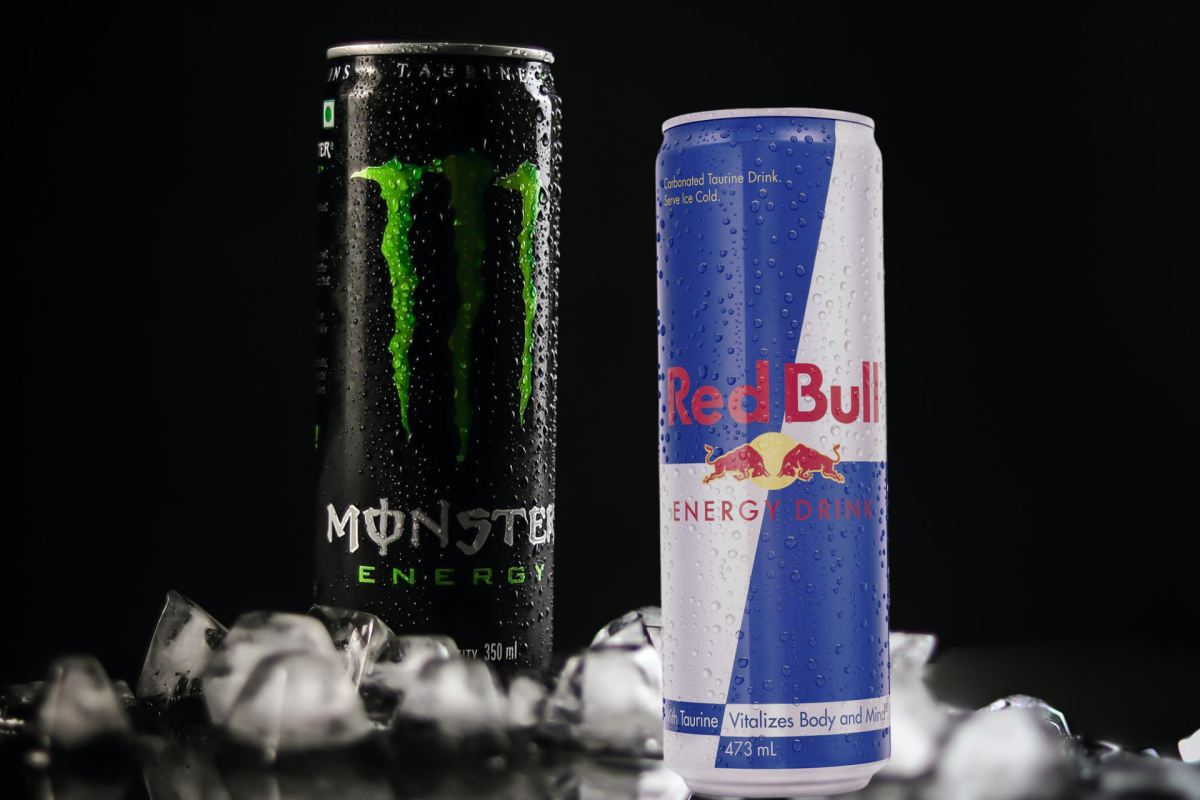
In terms of packaging, these brands have their unique designs. Remember, Monster has a bigger can, giving them more space for design and branding elements. They come with a dark color scheme and a unique greenish logo. On the other hand, Red Bull features their classic design with a silver and blue color scheme.
Flavors
Monster has various flavors catering to various taste preferences. Some of their flavors include Absolute Zero, Ultra Sunrise, Original, and Ultra Zero. Each flavor has its own taste profile. Their original flavor has been described as robust and bold with a fruity and sweet undertone.
Red Bull has a distinct collection of flavors that have been described as crisp and refreshing. Their classic option is slightly sweet with some tartness. They have flavors like Tropical, Lime, Blueberry, and Sugar-free.
But in terms of flavors, Monster is leading as they have way more selections of flavors than Red Bull.
Therefore, you’re bound to get an option that suits your taste preferences. So whether you love the tangy or sweeter taste, Monster has something for you.
Taste Difference
After trying both brands, I can confirm that Red Bull comes with a tangier and sweeter flavor than Monster. Some describe it as a cross between medicine and bubblegum, while Monster has a more intense fruity flavor. So you should try both and find out which one works for you.
Caffeine Content
An 8.4-ounce Red Bull has 80 mg of caffeine, a bit less than a typical 8-ounce cup of coffee. A 16-ounce Monster has about 160 mg, double the small Red Bull, because the can is about twice as big.
Calories
Per can, Red Bull has fewer calories than Monster: about 110 for an 8.4 oz can versus about 210 for a 16 oz Monster. Ounce for ounce, they are similar. If you’re watching your weight, the sugar-free versions of either are the better pick.
Sugar Level
An 8.4-ounce classic Red Bull has about 27 g of sugar, all of it added sugar. That is a lot for a small can.
But if you want to reduce your sugar content, you should choose the sugar-free options. Red Bull sells Sugarfree and Zero versions.
The sugar-free options use artificial sweeteners like acesulfame K and aspartame.
A 16-ounce original Monster has about 54 g of sugar, double the small Red Bull because the can is twice the size. NCCIH notes that one 16-ounce energy drink can contain 54 to 62 g of added sugar, more than the recommended daily maximum. Monster’s zero-sugar lines are a better choice if you’re watching your sugar; people with diabetes should still ask their doctor about the caffeine.
Preservative
Monster lists sodium citrate as an acidity regulator and uses sorbic acid and benzoic acid as preservatives. Red Bull uses sodium bicarbonate and magnesium carbonate to regulate acidity.
Both drinks contain some sodium. If you have high blood pressure, watch your sodium intake, and keep in mind that caffeine can raise blood pressure too.
Health Benefits and Side Effects of Red Bull Energy Drink
Red Bull’s main benefit is the caffeine. Caffeine stimulates the central nervous system, which makes you feel more awake and alert. It can also raise your heart rate and blood pressure.
Another advantage of this drink is its convenience. Red Bull comes with a portable can that you can carry everywhere you go, which makes it ideal for folks looking for an energy boost while on the go.
Unfortunately, it does come with various side effects, including insomnia, muscle twitching, anxiety, high blood pressure, and increased heart rate.
These side effects are more likely with large amounts of caffeine. Regularly drinking sugary drinks also adds empty calories and can raise the risk of weight gain and type 2 diabetes.
Benefits and Side Effects of Monster Energy Drink
Monster’s main active ingredient is also caffeine, which helps keep you alert. Some Monster variants include guarana, a plant source of extra caffeine, and taurine, though evidence that taurine improves focus is limited.
Be aware of its side effects too. They include insomnia, anxiety, increased blood pressure, and irregular heartbeats, and they’re more likely if you drink more than one can. The excess sugar in Monster increases your likelihood of getting type-2 diabetes and obesity.
Conclusion
Monster or Red Bull: which one is better? It mostly depends on your taste and how much caffeine you want. Ounce for ounce they are similar; a standard Monster just gives you twice as much drink, caffeine, and sugar as a small Red Bull.
If you want less caffeine and sugar per can, the smaller Red Bull is the lighter choice. If you’re watching sugar, pick a sugar-free version of either. Pregnant people, children and teens, and people with heart conditions should avoid energy drinks or ask a doctor first.
Frequently Asked Questions
Which energy drink will give you more energy?
A standard 16 oz Monster has more caffeine (about 160 mg) than an 8.4 oz Red Bull (80 mg), so it gives a bigger boost. Per ounce, they are about the same.
Monster or Red Bull: Which drink is cheaper?
Prices vary by store, but Red Bull usually costs more per ounce than Monster, since a smaller Red Bull can often sells for about the same price as a larger Monster.
Monster or Red Bull: which one is stronger?
Per can, Monster is stronger: a 16 oz can has about 160 mg of caffeine versus 80 mg in an 8.4 oz Red Bull. Ounce for ounce, the caffeine strength is nearly the same.
Sources
- Spilling the Beans: How Much Caffeine Is Too Much?, U.S. Food and Drug Administration
- Energy Drinks, National Center for Complementary and Integrative Health