How to Increase Metabolism
Metabolism is how your body converts food into energy, so it matters when you are working out. If you are a hardcore muscle builder or just an average person trying to increase your metabolism, this article covers what actually moves the needle.
One thing to know up front: according to Harvard Health's article on metabolism, metabolism often plays a minor role in weight gain. Diet and activity usually matter more.
Water is Power?
Swapping sugary drinks for water is one of the easiest changes you can make. Sugary drinks add calories without filling you up, while water keeps you hydrated for zero calories. According to Healthline,
“People who drink water instead of sugary drinks are more successful at losing weight and keeping it off. This is because sugary drinks contain calories, so replacing them with water automatically reduces your calorie intake. However, drinking water may also temporarily speed up your metabolism. Studies have shown that drinking 17 ounces (0.5 liters) of water increases resting metabolism by 10–30% for about an hour. This calorie-burning effect may be even greater if you drink cold water, as your body uses energy to heat it up to body temperature.“
Keep that in perspective. Any boost from drinking water is small and lasts about an hour, so the real benefit is the calories you save by skipping soda and juice.
Staying hydrated also helps you train well. Just don’t expect water to multiply your metabolism.
Eating Proteins
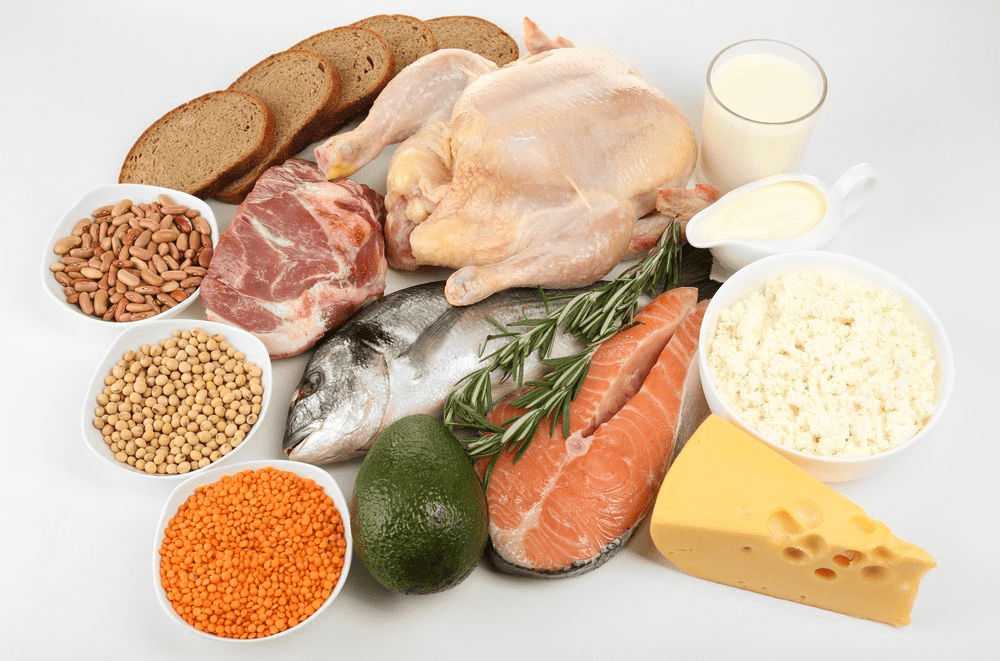
Protein is a vital part of every diet, and it has a small effect on metabolism too. Your body uses more energy to digest protein than it does to digest carbs or fat. According to Healthline,
“This is called the thermic effect of food (TEF). It’s caused by the extra calories required to digest, absorb and process the nutrients in your meal. Protein causes the largest rise in TEF. It increases your metabolic rate by 15–30%, compared to 5–10% for carbs and 0–3% for fats. Eating protein has also been shown to help you feel more full and prevent you from overeating. Eating more protein can also reduce the drop in metabolism often associated with losing fat. This is because it reduces muscle loss, which is a common side effect of dieting.”
Those percentages describe the extra energy used to process a meal, not a boost to your whole day's metabolism. The bigger benefits of protein are that it keeps you full and helps you hold on to muscle while dieting.
Build Muscle and Train Hard
Lifting weights builds muscle, and muscle burns more energy than fat, even at rest. Pair your training with enough protein to support that muscle.
Harvard Health also notes that high-intensity interval training may keep your metabolism elevated for up to a day. Short bursts of faster walking or jogging mixed with your usual pace count.
Conclusion
To end off this article, here is what helps your metabolism: lift weights to build muscle, eat protein at every meal, add some high-intensity exercise, drink water instead of sugary drinks, and get a good night’s sleep.
None of these will double your metabolism, but together they support your training and weight goals. I hope you find this article helpful. Thank you very much for your time reading this article.
Sources
- The truth about metabolism, Harvard Health Publishing
- Physical Activity Guidelines for Adults, CDC