How to Get Better Sleep
Contents
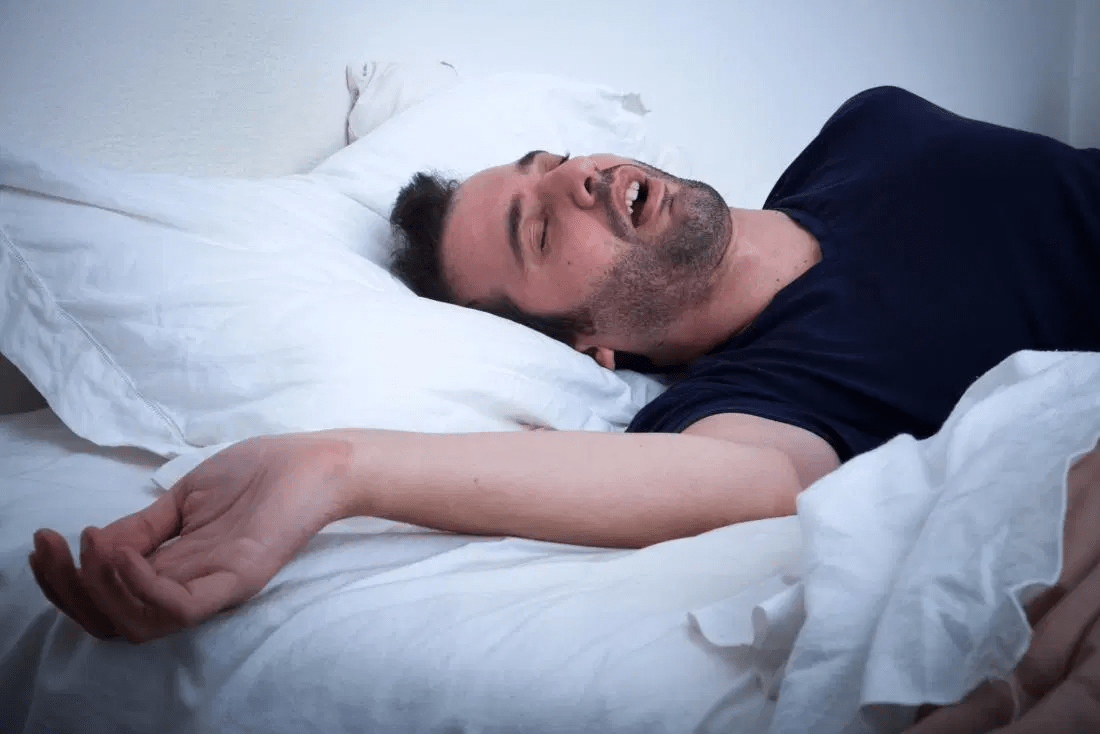
Have you been tossing and turning each night wondering why is it so hard to fall asleep or get even a good night’s rest? Well read this article and I will tell you some easy steps you can take to fall asleep faster and get a good night’s rest.
Not only is good sleep important, but getting a good night’s rest will help you restore your energy and help recover muscle if you worked out that day.
Of course, everyone has heard that you need the proper amount of sleep each night, and most people say 8 hours. The CDC's sleep guidelines recommend 7 or more hours a night for adults aged 18 to 60.
Regularly needing 10+ hours of sleep and still feeling drowsy during the day can be a sign of poor sleep quality or a health problem. If that sounds like you, talk with your doctor.
Some helpful tips to improve your sleep:
- Creating a routine
- Use white noise, earplugs, blackout curtains
- Avoid stimulants
- Turn off screens
- Limit the number of naps during the day
Creating a Routine
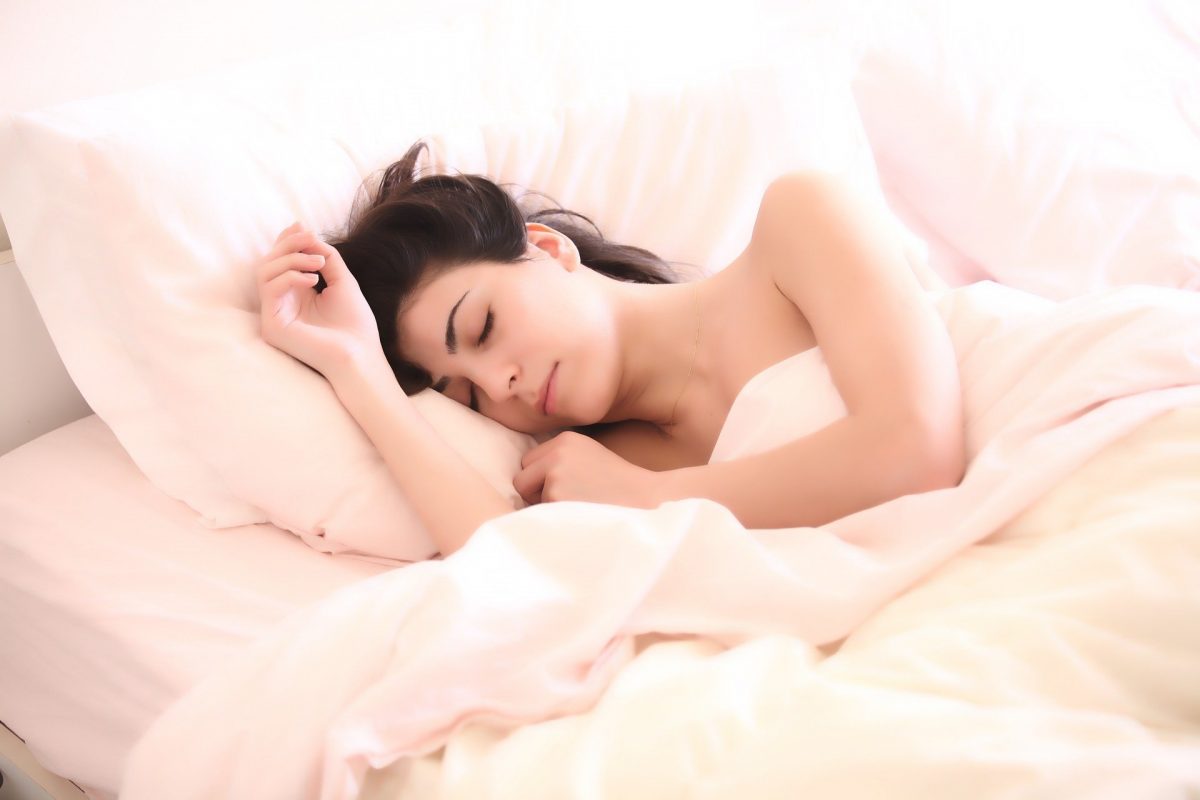
This means making a good sleep schedule for yourself, as in going to bed at the same time each night and waking up at the same time each morning.
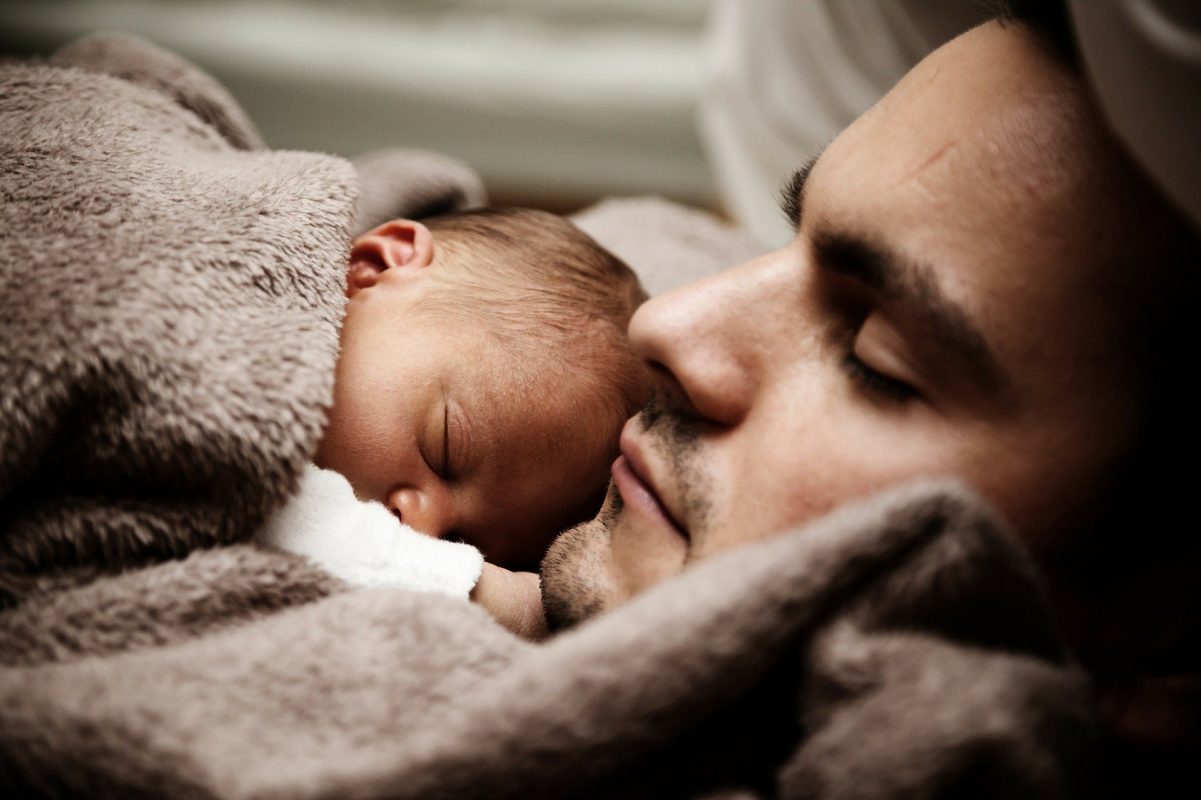
It is also good to get the proper amount of sleep for your age. According to the American Academy of Pediatrics and the CDC, these are the general sleep guidelines for different age groups:
- Birth to 3 months: 14 to 17 hours
- 4 to 12 months: 12 to 16 hours (including naps)
- 1 to 2 years: 11 to 14 hours (including naps)
- 3 to 5 years: 10 to 13 hours (including naps)
- 6 to 12 years: 9 to 12 hours
- 13 to 17 years: 8 to 10 hours
- 18 to 60 years: 7 or more hours
- 61 to 64 years: 7 to 9 hours
- 65 years and older: 7 to 8 hours
There is no single best bedtime for everyone. Groups like the National Sleep Foundation stress that a consistent schedule matters more than the exact hour.
Personally, I try to go to sleep between 10 pm and 11 pm and wake up around 7 am to 8 am. It all depends on each person and what time they need to wake up for their work or school schedule.
It also helps to do some relaxing activities, such as taking a bath or some light yoga, before bed.
Use White Noise, Earplugs, Blackout Curtains
Using white noise, earplugs, or blackout curtains can help you sleep better due to fewer distractions.
Keeping your bedroom quiet, dark, and cool can also help you fall asleep faster.
Avoid Stimulants

Avoid caffeine in the afternoon and evening, since it can keep you awake for hours. That includes coffee, energy drinks, and pre-workout.
Avoiding smoking or nicotine for a few hours before bed will also help you go to sleep easier. Nicotine is a stimulant, and it can make it harder to fall into a deep sleep.
While alcohol may make you sleepy, it can also disrupt your sleep later in the night. Avoid alcohol and large meals close to bedtime.
Turn off Screens
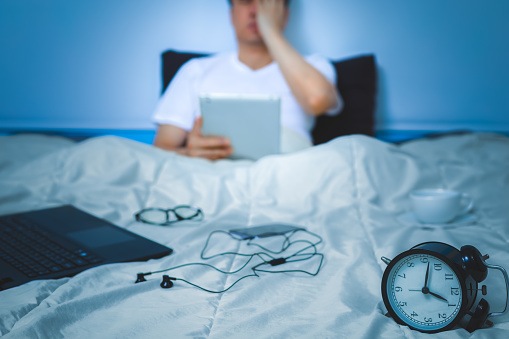
The CDC suggests turning off your phone, computer, TV, and other devices at least 30 minutes before bedtime. Harvard Health goes further and suggests avoiding bright screens for two to three hours before bed.
If you need to look at a screen before bed for work or homework, or you just like watching TV before bed, a pair of blue-blocking glasses may help.
Blue light from screens suppresses melatonin, a hormone that helps you feel sleepy at night. According to Harvard Health's article on blue light, blue light suppresses melatonin more strongly than other colors. Blue-blocking glasses filter out much of that light.
Many phones and computers have a night or blue light filter setting you can schedule to turn on in the evening. It cuts down the blue light your screen gives off.
Blue Light Blocking Glasses Link
Limit the Number of Naps During the Day

Keep your naps short and take them earlier in the day.
Long naps, or naps late in the afternoon, can make it harder to fall asleep at night and throw off your sleep schedule.
Conclusion
Just by following these short easy steps you can go to sleep easier at night and get a good night’s rest. This will help your body and muscles recover. Getting good sleep not only makes you feel better but also improves your mood.
I’m sure most of you reading this have had a day where you are super grumpy because you had poor sleep.
I have had many of those days, and after doing this research I will now follow these easy steps to get a better night’s rest. If you still struggle with sleep for weeks at a time, talk with your doctor.
Sources
- About Sleep, CDC
- Blue light has a dark side, Harvard Health Publishing