Does Eating Too Much Fruit Make You Fat
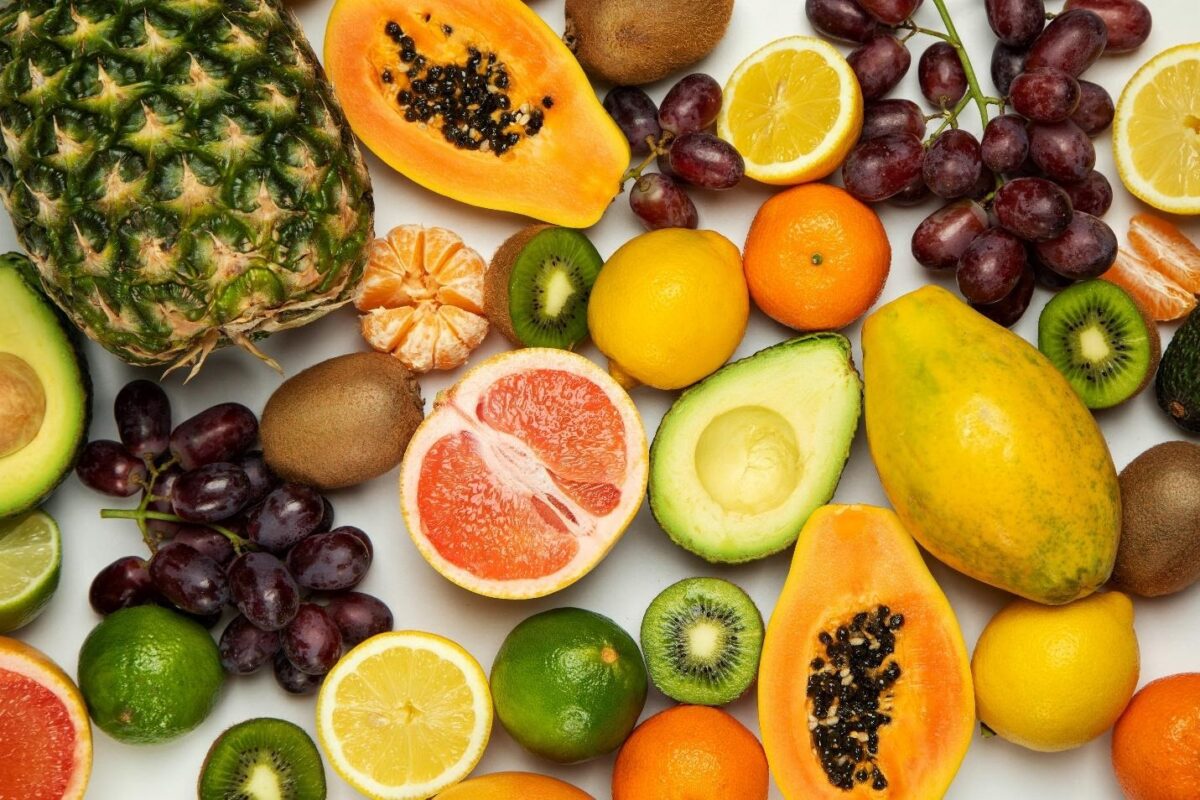
Fruits are excellent foods that provide your body with vitamins, minerals, and fiber.
Despite these benefits, some people question whether consuming too much fruit could lead to weight gain. The answer depends on the type of fruit, how many calories it adds, and the rest of your daily diet.
In this article, we will look at the relationship between humans and fruits, as well as what the research says about fruit and body weight.
Humans and fruits
Similar to modern human beings, ancient humans required these three macronutrients to survive:
- Carbohydrates
- Lipids
- Protein
By hunting animals, our ancestors were able to acquire lipids and protein; however, animal meat is not a rich source of carbs.
Plant foods, including fruits, helped fill that gap.
The relationship between humans and fruits has continued ever since, especially with the invention of farming that helped produce these foods in large quantities.
Aside from providing carbs, fruits are loaded with vitamins, minerals, fiber, and antioxidants that support good health.
The sugars in fruit are mostly glucose and fructose. In whole fruit, they come packaged with fiber and water, which slow digestion and help you feel full.
Eating too much fruit and fat
Perhaps the fear of getting fat after eating too much fruit stems from the idea that a calorie is a calorie (regardless of where you get it from).
The reasoning behind this belief is that all foods will get broken down into simple structures, which eventually become a source of energy.
For instance, getting 100 calories from a candy bar or bananas is the same, according to this idea.
For energy balance, that is largely true: a calorie surplus from any food can be stored as fat. But the source of your calories still matters a lot for fullness and overall health.
With all of that said, if you regularly eat more calories than you burn, including calories from fruit, the extra energy can be stored as fat. Consequently, you may notice that you are gaining weight.
The good news is that overeating whole fruit is hard. Its fiber and water help you feel full on relatively few calories, as the CDC's healthy weight guidance on fruits and vegetables explains.
Fruit juice and dried fruit are different. They pack more sugar and calories into a smaller serving and are much easier to overdo.
In a long-term Harvard analysis, people who ate more fruits and vegetables were more likely to lose weight, with berries, apples, and pears standing out, according to the Harvard Nutrition Source page on vegetables and fruits.
Still, moderation is always key, whether you are consuming fruits, vegetables, or any other food.
Takeaway message
Whole fruit is unlikely to make you gain weight unless it pushes your total calories above what you burn. Juice and dried fruit are the easiest forms to overdo.
We hope that this article answered your questions by explaining how the body deals with fruits.
If you still have any questions about the effects of fruits on body fat, do not hesitate to let us know in the comment section below.
Sources
- Vegetables and Fruits, Harvard T.H. Chan School of Public Health
- Tips for Increasing Vegetables and Fruits in Your Diet, CDC