What Gear Means in Bodybuilding
Contents
Bodybuilding is the use of progressive resistance exercise to build and shape one’s muscles for appearance. An individual who engages in this activity is referred to as a bodybuilder. In bodybuilding competitions, participants line up and strike predetermined poses (and subsequently, personal posing routines) for a panel of judges who grade them on factors including symmetry, muscularity, and fitness.
Some competitors manipulate carbohydrates, water and salt in the final days before a contest to look leaner on stage. Aggressive water cutting and diuretics are dangerous and can cause severe dehydration and electrolyte problems, so this isn't something to try for everyday training.
What Does Gear Mean in Bodybuilding Slang?
In gym slang, "gear" most often means anabolic steroids and other performance-enhancing drugs. Someone who is "on gear" is using them. A StatPearls review on anabolic steroid use lists "gear" alongside "roids" and "juice" as common slang terms.
Using steroids without a prescription is not legal or safe, and misuse is linked to heart problems, liver damage, high blood pressure and mood changes. The FDA has also warned that some bodybuilding products sold as supplements illegally contain steroids or steroid-like substances that can cause serious liver injury.
The word also has an everyday meaning: the equipment and accessories lifters use. The rest of this article covers that kind of gear.
Bodybuilding Gears
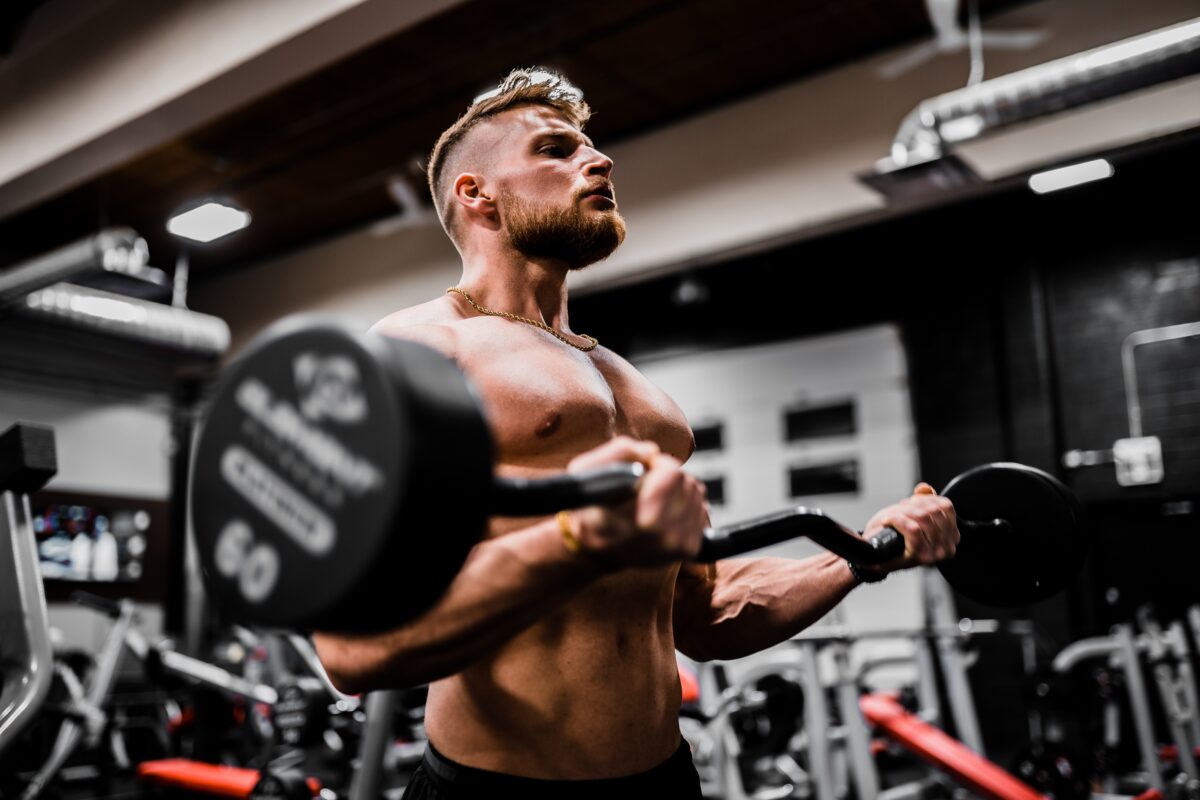
In bodybuilding, the term “gear utilization” refers to the employment of tools and clothing to enhance one’s appearance and/or performance. A weightlifting belt is the most typical piece of equipment used in bodybuilding. Bodybuilders also use gloves when they bench to maximize grip.
When you are buying equipment, there are a few factors to bear in mind. First, make sure the clothing you purchase fits you properly and is comfy. Second, make sure the equipment you choose is robust and long-lasting. Lastly, be sure the equipment you choose fits your budget.
A weightlifting belt is the most typical piece of equipment used in bodybuilding. Belts help you brace your core during heavy lifts like squats and deadlifts. Evidence that they prevent injuries is limited, so they don't replace good technique. Lifting straps are another prominent piece of equipment used in bodybuilding. When doing workouts like the deadlift, they are utilized to aid in gripping the barbell. When practicing exercises like the shrug, which stimulates the trapezius muscles, lifting straps are frequently employed as well.
Gear in bodybuilding refers to the apparel, accessories, and tools that weightlifters utilize during their workouts. Items like lifting belts, gloves, wraps, and even special shoes might fall under this category. Some people also lump supplements in with gear, though in bodybuilding slang the word usually points to steroids.
The right equipment can help you train more comfortably and, in some lifts, handle heavier weights.
There isn’t a single piece of bodybuilding equipment that satisfies all needs. One lifter’s method may not be effective for another. It’s crucial to try out several pieces of equipment and discover what suits you the best.
Lifting Belts
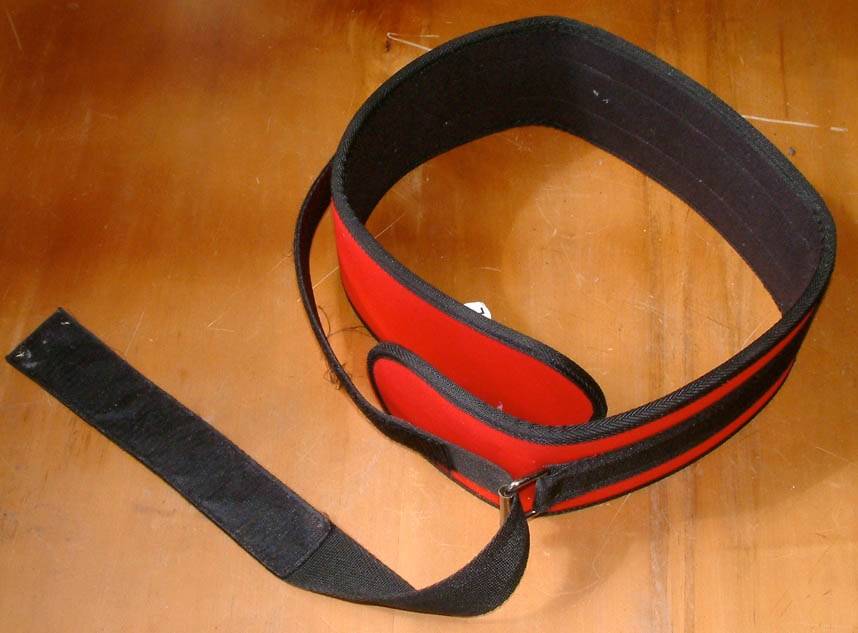
Photo by Unknown, CC BY-SA 3.0, via Wikimedia Commons
Bodybuilders utilize a range of clothing in addition to equipment to enhance their performance and/or physique. These consist of wrist wraps, knee sleeves, and lifting belts.
When lifting large objects, lifting belts are worn around the waist to support the lower back. When performing exercises like the squat, knee sleeves are placed on the knees to support the joints.
Leather, nylon, and neoprene are a few of the materials used to make lifting belts. Their length, breadth, and thickness range. Most belts are fastened with a buckle or velcro. Additionally, some belts incorporate a prong or lever closing
The market is filled with a wide variety of lifting belts. Depending on your body shape, preferred style, and lifting objectives, you’ll need to choose the right belt.
Gloves
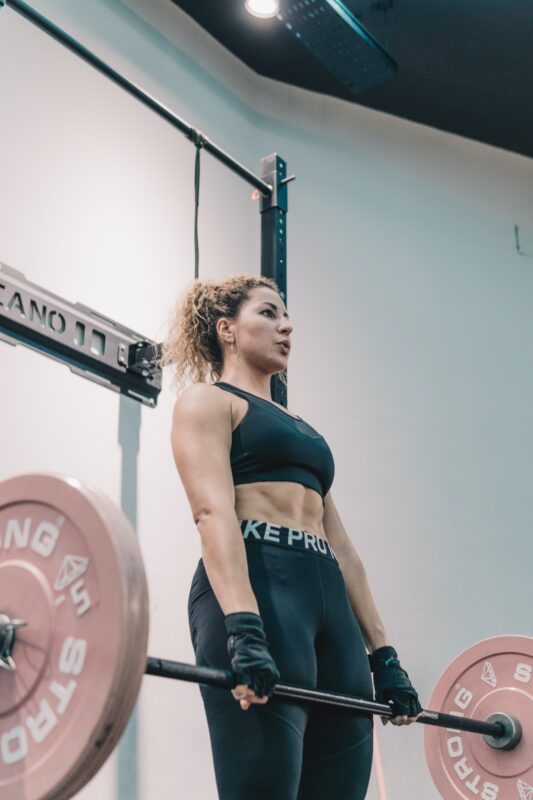
Gloves are an important part of a bodybuilder’s equipment, and there are many different types and styles to choose from. Bodybuilders need gloves that will protect their hands during bench sessions and barbells they use during their workouts.
They also need gloves that will help them grip the weights and keep their hands from slipping. Gloves facilitate grip and stop the development of calluses on the hands. Weightlifting gloves are constructed of various materials, such as leather, neoprene, and spandex.
Gloves often include an adjustable wrist strap and a grip on the palm. The palms and fingers may be padded as well.
The market is flooded with several varieties of weightlifting gloves. Depending on your lifting objectives, hand size, bench weight, and personal preferences, you should choose the right gloves.
When you are not using your gloves, it is important to store them in a cool, dry place. If they become wet, they should be hung up to dry. Bodybuilding gloves should be replaced every few months to ensure they are in good condition.
Wraps
Wraps are lengths of fabric that you may use to support your knees, elbows, or wrists during weightlifting activities. They are constructed of various materials, such as elastic, cotton, and nylon.
The thickness, length, and breadth of a wrap might vary. The level of help they offer varies as well. The market is filled with a wide variety of wraps. Depending on your body shape, preferred style, and lifting objectives, you’ll need to choose the right wraps.
Wrist wraps add support on heavy pressing movements like the bench press and overhead press. Knee wraps are tighter than knee sleeves and are mostly used by powerlifters on heavy squats.
Wraps are optional, not a necessity. They don't build muscle or prevent muscle loss, and leaning on them for every set can hide weak spots. Beginners usually don't need them while the weights are still light.
Ab roller wheels
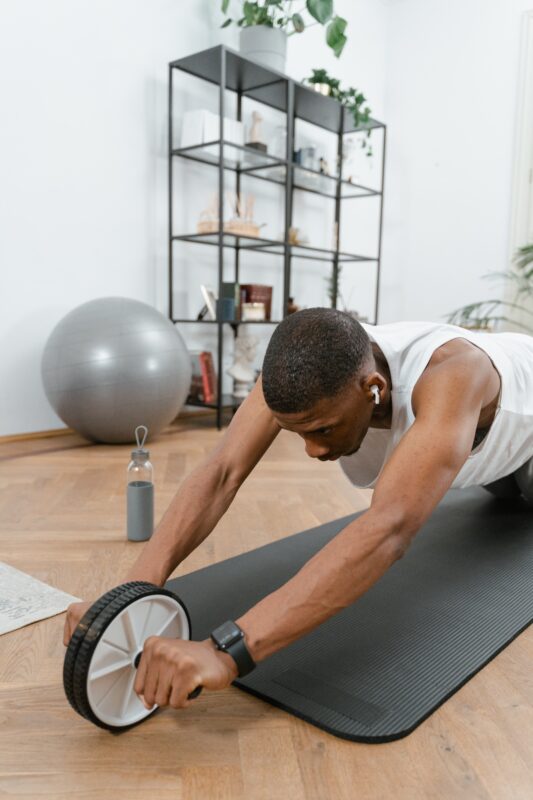
An ab roller wheel does not look like an impressive gear compared to the rest of the equipment used in bodybuilding. But looks can be deceiving and that’s exactly the case here.
Ab rollers train your core muscles, including your abs. When you use an ab roller you are positioning your body like you do when planking, which is also another core exercise. This makes the ab roller an effective bodybuilding gear.
An ab roller also works your lats, shoulders and arms to a lesser degree, along with your hip muscles. Start with short rollouts, since going too far too soon can strain your lower back. Visible abs depend mostly on low body fat, not just ab training.
Supplements
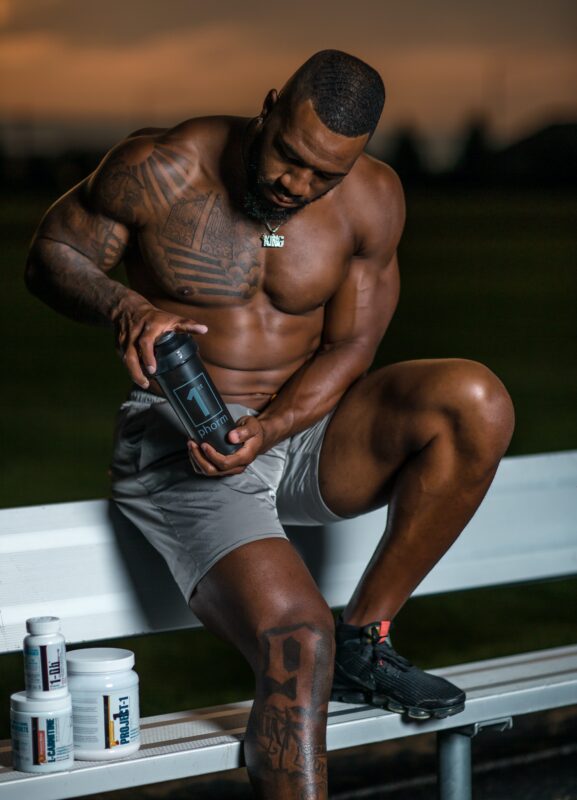
Sports supplements are made to assist athletes in reaching their best performance by supporting rigorous training schedules. A special sort of sports supplement created for bodybuilders is called a bodybuilding supplement.
Bodybuilders use supplements to help with muscle gain, strength and recovery. Protein powders, creatine, testosterone boosters, and amino acids are common bodybuilding supplements, but the evidence behind them varies widely.
The most often used kind of supplement for bodybuilding is protein powder. They may be consumed before or after workouts and are often manufactured from whey or casein protein. Bodybuilders who use protein powders can better recover from workouts and satisfy their daily protein needs.
Another well-liked kind of supplement for bodybuilding is amino acids. Branched-chain amino acids (BCAAs) and glutamine are two common ones. If you already eat enough protein, they add little.
Creatine is one of the best-studied supplements and can help increase muscle growth and strength when combined with training. It may be blended with juice or water and is commonly eaten as a powder. Some protein supplements also include creatine.
Testosterone boosters are herbal or vitamin blends marketed to raise testosterone. There's little good evidence that they meaningfully raise testosterone or build muscle in healthy men. Supplements aren't reviewed by the FDA for safety or effectiveness before sale, and some muscle-building products have been found to hide steroid-like ingredients.
Bodybuilding equipment can help you train safely and get the most out of your workouts. When someone at the gym talks about gear, though, they may well mean steroids, which carry serious health and legal risks.
Sources
- Anabolic Steroid Use Disorder, StatPearls (NCBI Bookshelf)
- Anabolic Steroids, MedlinePlus
- Caution: Bodybuilding Products Can Be Risky, FDA