
How To Gain Muscle Naturally: Everything You Need to know
Contents
Wondering how to gain muscle? There are many fads, gimmicks, and “quick fixes” to be found, but there is really only one healthy way to gain muscle mass. You don’t need to be gifted with great genetics or use potentially dangerous illegal hormones or steroids.
How To Gain Muscle Naturally
How Do You Gain Muscle?
Gaining muscle mass breaks down to two very important, and frankly, obvious tasks.
- Workout
- Increase caloric intake
Now, yes, this is very obvious, but in all honesty, there are a lot of people who don’t stay true to this. Back when I first started working out, I ended up eating 12 eggs every morning in order to increase mass.
Now, you don’t have to go and eat 12 eggs every morning, but there are things you can do to increase your caloric intake.
Increase Caloric Intake

What does it mean to increase caloric intake?
Increasing your caloric intake means that you eat more food than your usual daily intake. A small surplus is enough; eating far more than you need mostly adds fat.
Don’t be afraid of carbs. Make sure they are from healthy sources, like oats, rice, potatoes, fruit, and whole grains. Carbs fuel hard training, and avocado is a good way to add healthy fats.
Keep in mind that you should not just eat anything. You need to increase your Protein and Carb load. Some food items to focus on include:
- Eggs
- Chicken
- Bread
- Vegetables
- Protein shakes
Eat things that are good for you. You want to increase the amount of food you eat, but only food that will benefit your health.
Working out
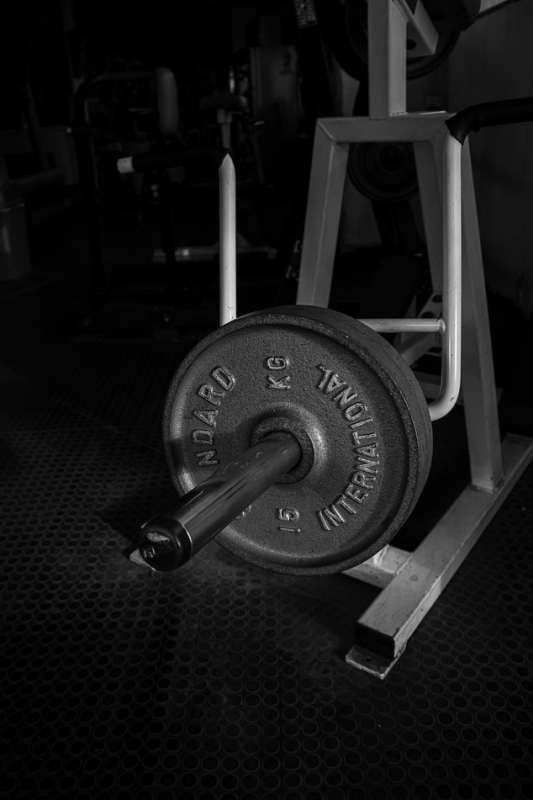
There are a lot of people out there who will say one type of workout is better than another. In reality, many workout methods have similar outcomes when the total work is the same.
The CDC's physical activity guidelines for adults call for muscle-strengthening activity at least 2 days a week, working all major muscle groups. A common debate is how to spread that work:
- Train each muscle group once a week (a body-part split)
- Train each muscle group 3 times a week (full-body workouts)
A study by Michael H. Thomas and Steve P. Burns of the University of Central Missouri, published in The International Journal of Exercise Science, gives us some scientific evidence on the differences between these two methods.
The study consisted of 7 women and 12 men, all strength-trained, in an 8-week strength training program.
Both groups trained 3 days a week and did the same total of 9 sets per muscle group each week. The first group, the High-frequency training group (HFT), worked each muscle group 3 times a week, with 3 sets per muscle group each session (three total-body workouts a week).
The second group, the Low-frequency training group (LFT), used a split routine. It trained each muscle group once a week, doing all 9 sets in one session.
After the 8 weeks, HFT gained 1.9% lean mass and the LFT group gained 2.0%.
HFT increased their chest press strength by 11% and their hack squat by 21%. The LFT group increased their chest press strength by 7.0% and their hack squat by 24%.
The differences between the groups were not statistically significant. With equal weekly sets, training frequency made little difference in this small study.
The International Journal of Exercise Science, read more.
Conclusion
So what have we learned, and how can you gain muscle mass? From my own experience and reading up on the research, you need to eat, and work out. These are very obvious, but dedication is key. Eat good, healthy, protein-packed foods, and don’t be afraid of carbs, good carbs.
Make sure to work out at least twice a week, and don’t get too caught up on the scheduling. The research suggests that total weekly work matters more than how you split it. Stay dedicated and you’ll reach your goal!
Sources
- Increasing Lean Mass and Strength: A Comparison of High Frequency Strength Training to Lower Frequency Strength Training, International Journal of Exercise Science
- Physical Activity Guidelines for Adults, CDC