
Does Sleeping Burn Calories?
Contents
When trying to lose weight, people often diet or eat fewer calories. You lose weight by taking in fewer calories than you burn. Exercise helps, and things as simple as walking, running, or biking are great ways for beginners to start.
Sleep is one of the most amazing things! Sleep is important for the immune system, healing, and muscle recovery. There is nothing better than a good night's rest after a long day of work. But we don't usually think of sleep as a time for calorie burning.
Is sleep a time where the body burns calories? Are there ways to burn extra calories while sleeping? I will be answering these questions for you in this article.
Is sleep a time where the body burns calories?

Sleep is the body resting. It helps with recovery after training and supports your immune system. But is sleeping a time where calories are burned?
Yes, sleeping burns calories, because your body keeps breathing, pumping blood, and repairing tissue. Online calculators like the one here give rough estimates.
Harvard Health's calorie table puts sleep at about 38 to 52 calories per hour for people weighing 125 to 185 pounds. That works out to roughly 300 to 420 calories over 8 hours.
In perspective, a person who weighs around 185 pounds burns about 140 calories when running for 10 minutes at a 10-minute mile pace. read more here.
So sleep burns a meaningful number of calories over a full night, but the rate is low. This is not an excuse to oversleep. Research suggests there is a link between obesity and both oversleeping and not sleeping enough. read more here.
Regularly oversleeping has been linked to weight gain, depression, body pain, and heart disease, although these links do not prove that sleep causes them. read more here. Instead of sleeping longer to burn more calories, aim for the 7 or more hours the CDC recommends for adults and stay active during the day.
Can anything assist me in burning more calories when sleeping?

Not much. Your thyroid, a butterfly-shaped gland in your neck, makes hormones that help set how fast your body uses energy, including while you sleep.
Your thyroid needs iodine and selenium to work properly. Foods such as iodized salt, seafood, dairy, and eggs provide them. Eating more of these nutrients than you need will not speed up your metabolism, though.
Brazil nuts are extremely high in selenium, so eat them only occasionally. Too much selenium can be harmful.
Do you love water…you should!

Staying hydrated is important for your health, but water is not a meaningful fat burner. Studies on drinking water and metabolism have found small, short-lived effects at most.
Your body does use some energy to warm cold water. Warming a half liter of ice-cold water to body temperature takes only about 15 to 20 calories, so the effect on your weight is tiny.
Enjoying cool temperatures
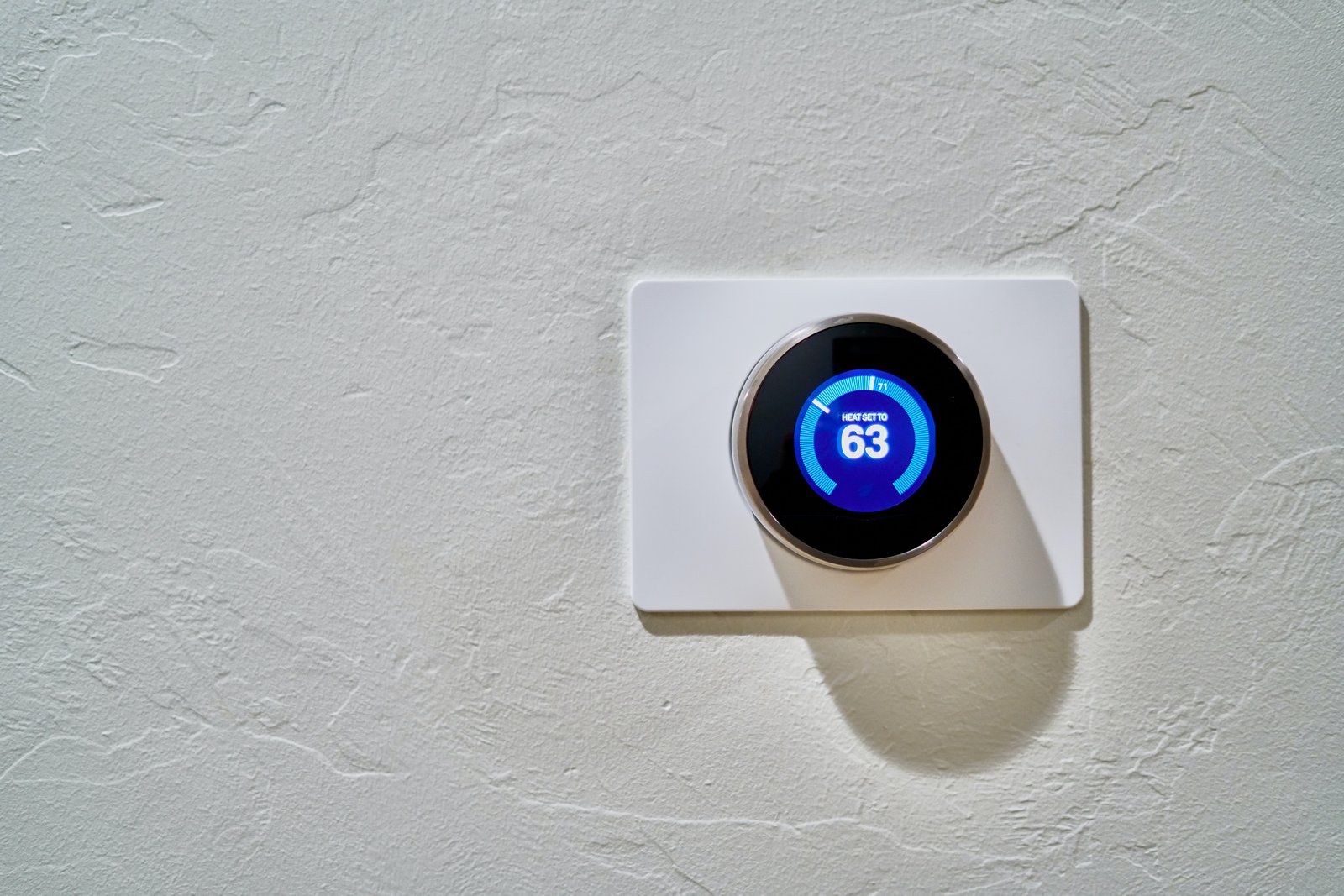
A cooler bedroom can help you sleep better. When you are cold, your body does use a little more energy to stay warm, but a cool room will not melt away fat by itself.
Cleveland Clinic recommends a bedroom temperature of about 60 to 67°F for adults. A cool, comfortable room supports deeper, more restful sleep, and good sleep supports healthy weight habits.
Are you sleeping enough? You may need more!

Many people are not getting enough sleep these days. How many hours do you get? The CDC recommends 7 or more hours a night for adults ages 18-60.
When you don't get enough sleep, the hormones that control hunger and fullness shift. You may feel hungrier and crave high-calorie snacks the next day.
This is an issue, because extra snacking can easily outweigh the few calories a short night "saves." Often, you don't need the food; you need more sleep.
Conclusion
Yes, you burn calories while asleep, roughly 300 to 420 over 8 hours for many adults. You can't meaningfully boost that number with tricks like cold water or a cold room.
Get 7 or more hours of sleep, keep your bedroom cool and comfortable, stay active, and eat well. Your body will thank you.
Sources
- Calories burned in 30 minutes for people of three different weights, Harvard Health Publishing
- About Sleep, CDC
- What's the Best Temperature for Sleep?, Cleveland Clinic